10 Days 9 Nights

Specific Tour
20 people
English
The Phoksundo Lake Trek is a spectacular journey into the remote Dolpo region of Nepal, combining breathtaking natural beauty, rich Tibetan-Bon culture, and off-the-beaten-path adventure. The trek leads you through Phoksundo National Park, Nepal’s largest trans-Himalayan protected area, to the stunning turquoise waters of Phoksundo Lake, the country’s deepest alpine lake. Along the way, trekkers encounter pristine forests, dramatic cliffs, gorges, and the majestic Phoksundo Waterfall, as well as ancient Bon monasteries like Tshowa Gompa and traditional villages such as Ringmo. This remote and crowd-free trekking route offers unforgettable cultural experiences, panoramic Himalayan views, and serene landscapes, making it an ideal choice for adventure seekers and nature lovers looking for a unique Himalayan expedition.
Phoksundo Lake is one of Nepal’s most stunning natural wonders, located in the remote Dolpo region. Famous for its vivid turquoise waters and dramatic cliff surroundings, it is the deepest lake in Nepal and a sacred site for the Bon Buddhist community.
The lake sits at an altitude of 3,611 meters (11,848 ft) inside Phoksundo National Park, Nepal’s largest trans-Himalayan protected area. It is surrounded by pristine forests, high cliffs, and the towering Phoksundo Waterfall, which plunges 167 meters into the lake below.
Visitors to Phoksundo Lake can also explore Ringmo Village, an ancient settlement preserving traditional Tibetan Bon culture, and Tshowa Gompa, a 900-year-old monastery overlooking the lake. Its remote location makes it ideal for off-the-beaten-path trekking, photography, and experiencing Nepal’s untouched Himalayan wilderness.

Key Features:
Phoksundo National Park is Nepal’s largest trans-Himalayan protected area, located in the remote Dolpo region. Covering 3,555 km², the park is renowned for its stunning landscapes, high-altitude lakes, deep gorges, and rich biodiversity.
The park is home to Phoksundo Lake, Nepal’s deepest and most turquoise alpine lake, and the majestic Phoksundo Waterfall, which drops 167 meters. Its rugged terrain includes cliffs, valleys, forests, and high-altitude deserts, offering trekkers a true wilderness experience far from crowded trails.
Phoksundo National Park is also a cultural treasure, preserving ancient Bon Buddhist monasteries, including Tshowa Gompa, and traditional settlements such as Ringmo Village, where centuries-old Tibetan-influenced lifestyles continue.
Wildlife Highlights:
Key Features:
Ringmo Village is a remote settlement located on the western shore of Phoksundo Lake in the Dolpo region of Nepal. This traditional Tibetan Bon village is one of the most culturally preserved communities in the Himalayas, offering trekkers a rare glimpse into centuries-old Himalayan lifestyles.
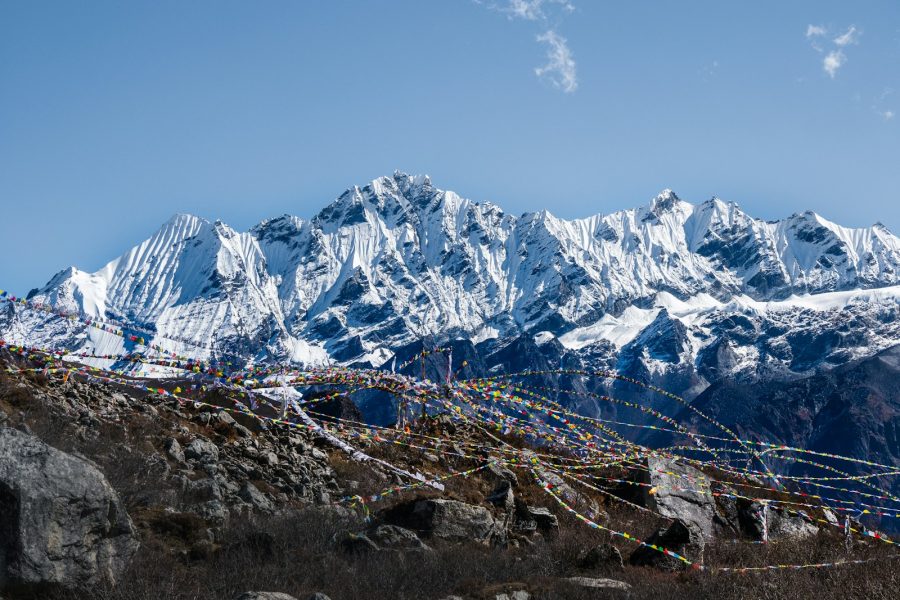
The village is known for its stone and mud houses, prayer flags, and ancient monasteries, including nearby Tshowa Gompa, a 900-year-old Bon Buddhist monastery. Ringmo is a key stop on the Phoksundo Lake Trek, where travelers can experience authentic mountain culture, interact with locals, and enjoy breathtaking views of the turquoise lake and surrounding cliffs.

Highlights of Ringmo Village:
Ringmo Village is ideal for cultural exploration, photography, and immersion into Nepal’s remote Himalayan heritage, making it a highlight of any Dolpo trekking adventure.
Tshowa Gompa is a 900-year-old Bon Buddhist monastery located near Ringmo Village on the western shore of Phoksundo Lake in Nepal’s remote Dolpo region. It is one of the oldest and most sacred Bon monasteries in the Himalayas, serving as a spiritual center for local communities for centuries.
The monastery is perched on a hillside overlooking the turquoise waters of Phoksundo Lake, offering breathtaking panoramic views of the lake, surrounding cliffs, and high Himalayan peaks. Pilgrims and trekkers alike visit Tshowa Gompa to witness its ancient rituals, prayer flags, and traditional Himalayan architecture.
Highlights of Tshowa Gompa:
Tshowa Gompa is a must-visit cultural and spiritual site for trekkers seeking an authentic experience of Nepal’s Tibetan-influenced Bon heritage.
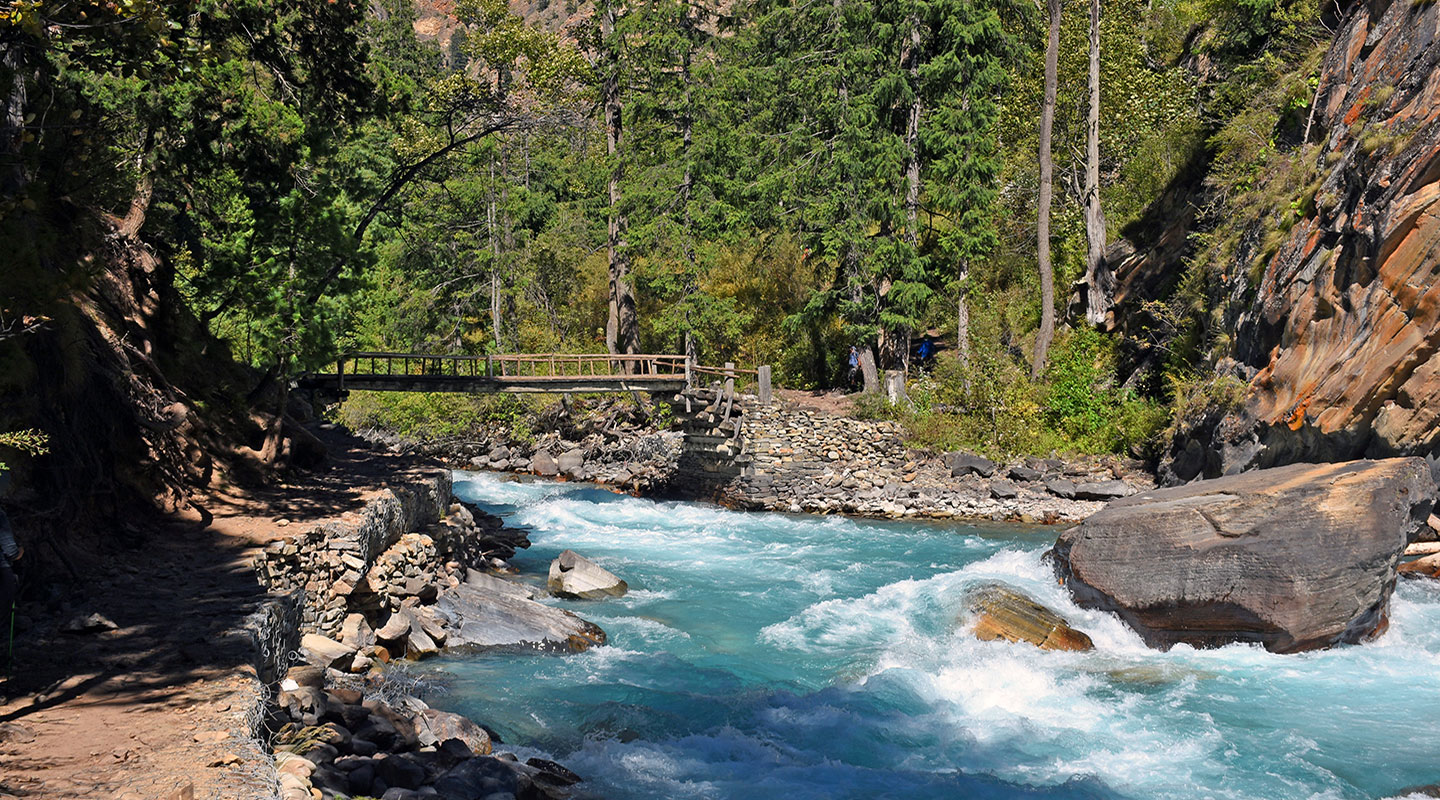
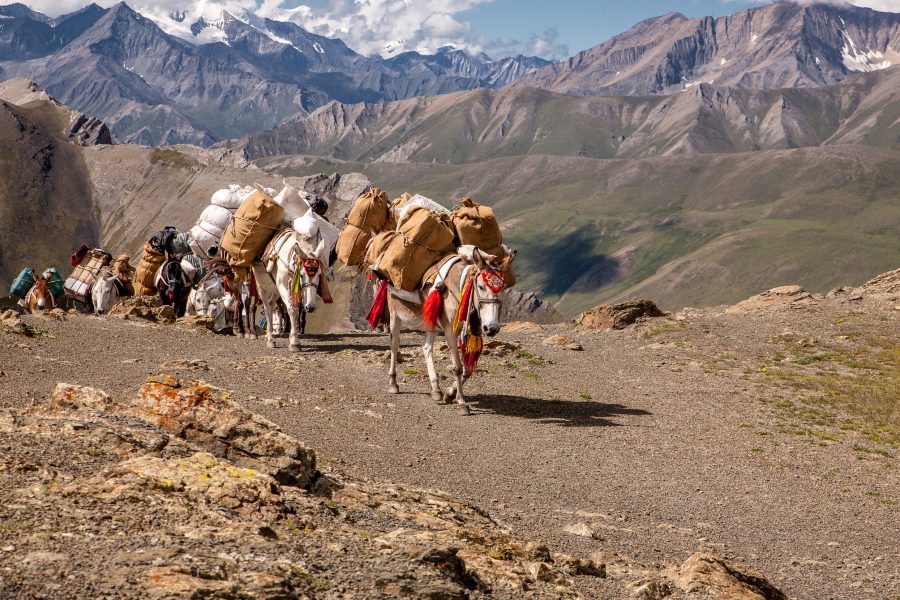
The Phoksundo Lake Trek offers a true remote trekking experience, taking you far from crowded trails and tourist hubs. Located in Nepal’s Dolpo region, one of the most isolated areas in the Himalayas, this trek passes through pristine valleys, rugged cliffs, dense forests, and traditional villages.
Remote trekking in Dolpo allows travelers to experience:
This type of trekking is ideal for adventurers seeking off-the-beaten-path destinations, combining natural beauty, cultural heritage, and solitude in one unforgettable Himalayan journey.
The Phoksundo Lake Trek takes you through some of Nepal’s most dramatic and untouched landscapes. From towering cliffs and deep gorges to pristine alpine forests and turquoise lakes, the trek offers breathtaking scenery at every step.
Highlights of the Dramatic Landscapes:
The dramatic landscapes make this trek a visually stunning adventure, combining natural beauty, solitude, and cultural encounters into a truly unforgettable Himalayan experience.
The Phoksundo Lake Trek is best undertaken during the spring (March to May) and autumn (September to November) seasons, when weather conditions are stable, and visibility of the Himalayas is at its best. These months offer clear skies, moderate temperatures, and stunning natural scenery, making the trek safer and more enjoyable.
To enjoy Phoksundo Lake and the surrounding landscapes at their most vibrant, plan your trek during spring or autumn for a balance of safety, comfort, and breathtaking scenery.
The Phoksundo Lake Trek is a moderate-to-challenging high-altitude trek in Nepal’s remote Dolpo region. Proper preparation ensures you have a safe, enjoyable, and memorable experience.
Arrive at Tribhuvan International Airport and transfer to your hotel. Rest and prepare for the trek.
Take a short flight from Kathmandu to Nepalgunj. Overnight stay in Nepalgunj.
Fly or drive to Juphal, the starting point of the trek, and begin trekking to Dunai.
Continue through beautiful forests and small settlements before reaching Chhepka.
Ascend gradually toward the Jharana Hotel area, close to the stunning waterfall viewpoint.
Walk through scenic landscapes to reach the traditional Ringmo village and the turquoise Phoksundo Lake.
A full day to explore the lake surroundings, Ringmo village, and the ancient Bon monastery, Tshowa Gompa.
Retrace the trail downhill to Chhepka.
Continue trekking to Juphal for the final walking day.
Take flights from Juphal to Nepalgunj and connect back to Kathmandu for your final stay.
After breakfast, transfer to the airport for your international flight home.
The trek usually takes 10 days, including domestic flights from Kathmandu to Juphal via Nepalgunj and the return.
A: The trek is moderate to challenging, ideal for fit and adventurous trekkers. Daily trekking ranges from 4–7 hours on hilly and rugged trails at high altitude.
A: Spring (March–May) and Autumn (September–November) are the best seasons, providing clear skies, pleasant weather, and breathtaking Himalayan views.
Yes. Trekkers need a TIMS card and a Shey Phoksundo National Park Permit, usually arranged by the trekking agency.
A: Accommodation is in teahouses and lodges along the trekking route. In Kathmandu, a 3-star hotel with breakfast is provided.
A: Yes. Breakfast, lunch, and dinner are provided daily on the trek. Welcome and farewell dinners in Kathmandu are also included.
A: The trek reaches up to 3,611 meters at Shey Phoksundo Lake. Proper acclimatization, hydration, and a gradual trekking pace are recommended to prevent altitude sickness.
A: The trek passes through one of Nepal’s most remote regions, with crowd-free trails, pristine landscapes, and traditional villages like Ringmo.
A: Yes. Each trekker group is supported by one porter for every two trekkers and a government-licensed English-speaking guide with an assistant guide.
A: The trek starts with a flight from Kathmandu to Juphal via Nepalgunj, followed by trekking through Dunai, Chhepka, and Jharana to Ringmo Village and the lake.
A: Essentials include: trekking boots, layered clothing, trekking poles, hat, gloves, sunglasses, personal medications, and a water bottle. Down jacket and sleeping bag are usually provided.
A: Yes, for fit beginners with some trekking experience, but prior experience with moderate hiking at altitude is recommended due to remote trails and high elevations.

Verified Local Operator
We are a government-licensed and locally owned trekking company operating legally under Nepal Tourism Board & Ministry of Tourism.

100% Permit Guaranteed
The Phoksundo Lake Trek requires a Shey Phoksundo National Park Permit and a TIMS card for all trekkers. These permits are mandatory to enter the national park and for trekker safety management. A restricted area permit is not required for the standard Phoksundo Lake route, and we arrange all permits in advance.

Best Price Assured
Book directly with a local operator and avoid hidden commissions. Transparent pricing guaranteed.

Free Cancellation (Flexible Policy)
Enjoy peace of mind with flexible rescheduling and free cancellation up to the allowed timeframe.

Expert Himalayan Guides
Government-certified, first-aid trained, high-altitude experienced guides with over 10+ years of trekking experience.
Safety First – Fully Equipped
Includes medical kit, oximeter, emergency support & insured staff for your safety in high altitude.
Member Since 2025




 English
  Deutsch
  Français
  Português
  Español
Leave a review