Overpacking adds 5 kg you will regret on day 4. Underpacking can end your trek at 4,500 m. This free printable Nepal trekking packing checklist is the result of 100+ Himalayan treks and tells you exactly what to bring for an EBC, Annapurna, Manaslu, or Langtang trek in any season, with weights, prices, and alternatives for each item.

The Big Three: Backpack, Sleeping Bag, Boots
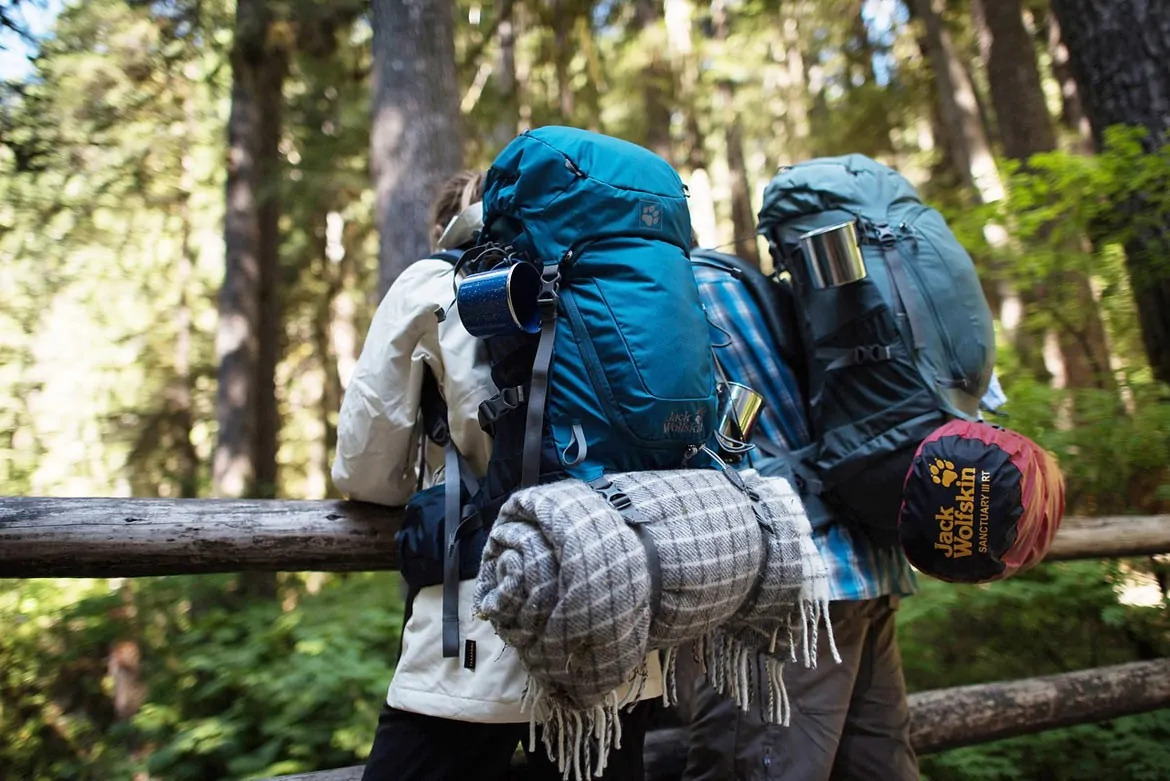
Your three most important items are your main duffel (carried by porter, max 15 kg), your daypack (carried by you, 25-35 L), and your trekking boots. The duffel should be waterproof or have a rain cover; a 90L North Face Base Camp Duffel or equivalent is the standard. Your daypack needs a hip belt, hydration sleeve, and rain cover. Boots must be broken in for at least 4 weeks before the trek. See our trekking boots guide for recommendations.
For sleeping bags, teahouse rooms in Nepal are not heated, and night temperatures at 4,000+ m can drop to -10°C even in peak season. Bring a -15°C to -20°C rated sleeping bag. You can rent one in Kathmandu for USD 2-3/day (see our renting vs buying guide) or bring your own. A silk liner adds 3-5°C of warmth and hygiene.
Clothing: The Layering System
Nepal trekking requires a 4-layer system: base layer (moisture-wicking), mid layer (insulation), shell layer (wind/rain), and extreme-cold layer (down jacket). Avoid cotton, which stays wet and cold. Merino wool and synthetic fabrics are best.
- Base layer top: 1 merino long-sleeve (200 weight) + 1 short-sleeve trekking shirt
- Base layer bottom: 1 merino long-johns for cold nights and high passes
- Trekking pants: 1 lightweight + 1 convertible/zip-off, or 1 softshell pair
- Mid layer: 1 fleece jacket (200 weight) or lightweight puffy
- Shell jacket: 1 Gore-Tex or similar waterproof-breathable jacket
- Down jacket: 1 rated to -15°C (rentable in Kathmandu)
- Insulated pants: 1 pair for high-altitude evenings (optional)
- Trekking shorts: 1 pair for lower-altitude warm days
- Underwear: 4-5 pairs merino or synthetic (quick-dry)
- Sports bra: 2-3 for women, high-support for descents
Head, Hands, and Feet
- Sun hat: Wide-brim with chin strap
- Warm hat: Merino or fleece beanie covering ears
- Buff/neck gaiter: For dust, wind, and cold
- Sunglasses: Category 3-4 with 100% UV protection, side shields for high altitude
- Prescription glasses: Bring a spare pair
- Inner gloves: Merino or fleece liner gloves
- Outer gloves: Waterproof insulated gloves rated to -10°C
- Mittens: Optional for high passes above 5,000 m in winter
- Trekking socks: 4 pairs merino wool (Smartwool, Darn Tough)
- Liner socks: 2 pairs thin polypropylene to prevent blisters
- Camp shoes: Lightweight sneakers, sandals, or Crocs for evenings
Documents and Money
- Passport: Valid 6+ months, with Nepal visa (or get on arrival)
- Passport photos: 4-6 for permits and TIMS
- Travel insurance: Print policy with helicopter rescue coverage (see our insurance guide)
- Flight tickets: Print international + domestic flight confirmations
- Trek permits: Arranged by agency or carried if independent
- Cash: NPR 40,000-60,000 + USD 200-400 backup (see ATM guide)
- Credit/debit cards: 2 from different banks, in dry bags
- Emergency contacts: Printed list with embassy, insurance, family
First Aid and Health
- Diamox (Acetazolamide): 20 tablets for altitude sickness prevention
- Imodium: For trekker’s diarrhea
- Antibiotics: Ciprofloxacin or Azithromycin for bacterial infections
- Painkillers: Ibuprofen and paracetamol
- Throat lozenges: For dry high-altitude air
- Blister kit: Leukotape, Compeed, moleskin
- Antiseptic: Betadine or alcohol wipes
- Bandages: Assorted sizes + elastic bandage for sprains
- Rehydration salts: 5-10 sachets of ORS
- Sunscreen: SPF 50+ and lip balm with SPF
- Insect repellent: For lower-altitude sections
- Personal medications: Bring enough for the whole trek
Electronics and Navigation
- Headlamp: Petzl Actik or Black Diamond Spot, plus spare batteries
- Power bank: 20,000 mAh (Anker, Xiaomi) – see charging guide
- Phone: Unlocked, with NTC SIM or eSIM (see WiFi/eSIM guide)
- Camera: Optional; phone cameras are sufficient for most
- Kindle/e-reader: For rest-day reading
- Adapter: Nepal uses Type C/D/M plugs, 220V
- Maps: Download Maps.me or Gaia GPS for offline use
Toiletries and Personal Items
- Toothbrush + paste: Travel size
- Quick-dry towel: Packtowl or similar
- Biodegradable soap: Dr. Bronner’s or Sea to Summit
- Hand sanitizer: 2 small bottles
- Toilet paper: 2-3 rolls, removed from cardboard
- Menstrual supplies: Plus zip-lock bags for waste disposal
- Razors, deodorant, nail clippers: Travel sizes
- Contact lenses + glasses: Bring spares and solution
Trekking Extras Worth Their Weight
- Trekking poles: 1 pair, collapsible (Black Diamond Distance Carbon)
- Water filter: Sawyer Squeeze or Katadyn BeFree
- Water bottles: 2 x 1L Nalgene or hydration bladder
- Stuff sacks: 4-5 in different colors for organization
- Dry bags: 2-3 for electronics and sleeping bag
- Snacks: Energy bars, electrolyte tablets, hard candies
- Earplugs + eye mask: For teahouse dorms
- Notebook + pen: For journaling and permit forms
Frequently Asked Questions (FAQ)
How heavy should my main duffel be?
Maximum 15 kg including sleeping bag, for porter carry. Most porters carry up to 20 kg, but 15 kg is the ethical limit set by the International Porter Protection Group. Weigh your duffel before leaving Kathmandu; remove non-essentials if over 15 kg.
What should I pack in my daypack vs duffel?
Daypack: water, snacks, camera, rain jacket, warm layer, sunscreen, first aid, documents, headlamp. Duffel: sleeping bag, change of clothes, evening wear, toiletries, spare shoes. Your daypack should be 5-8 kg max; your duffel 12-15 kg.
Can I buy forgotten items in Kathmandu or on the trail?
Yes for almost everything in Kathmandu (Thamel has full gear shops). On the trail, basic items like snacks, toilet paper, and batteries are available at teahouses at 2-3x Kathmandu prices. Specialty gear is not available above Lukla or Namche.
Do I need a sleeping bag for teahouse treks in Nepal?
Yes. Teahouse rooms are unheated, and night temperatures drop below freezing above 3,500 m even in peak season. A -15°C to -20°C sleeping bag is essential. Rent one in Kathmandu if you do not own one.
Once your bag is packed, book your trek with Trek Pathways. Browse our Manaslu Circuit Trek, Everest Base Camp Trek, or Annapurna Circuit Trek packages for an all-inclusive Himalayan adventure.

 English
  Deutsch
  Français
  Português
  Español
0 Comment