Routes, Costs, Permits & Expert Tips from a Himalayan Inside
Nepal is not just a destination, it is a feeling that stays with you forever. I have been guiding trekkers through these mountains for over 15 years, and every season, the Himalayas remind me why Nepal remains the world’s greatest trekking destination. Whether you are dreaming of standing at Everest Base Camp (5,364m), circling the Annapurna massif, or losing yourself in the quiet valleys of Langtang, trekking in Nepal delivers experiences that no other place on Earth can match.
But Nepal’s trekking landscape has changed significantly in 2026 and 2027. New government regulations have reshaped the rules, solo trekking is now officially banned across most regions, the TIMS card system has been reformed, and licensed guides are mandatory on virtually all major routes. If you are planning a trek using outdated information, you could face fines, permit rejections, or worse find yourself alone and unprepared on a high-altitude trail.
This guide covers everything you need to know, updated with the latest regulations, real costs, and genuine local advice. Bookmark it. Use it. Your Himalayan adventure deserves the best preparation.
IMPORTANT 2026–2027 UPDATE: Solo trekking is now banned in Nepal. All trekkers on major routes must be accompanied by a licensed guide. The TIMS card has been discontinued in many regions. Book through a registered agency for a stress-free permit process.
Why Trekking in Nepal Is Unlike Anything Else
Ask any experienced trekker what makes Nepal special, and they will struggle to give you just one answer. Here is why Nepal consistently tops every list of the world’s best trekking destinations:
- Eight of the world’s 14 highest peaks — including Mount Everest (8,849m), Kanchenjunga, Lhotse, Makalu, Cho Oyu, Dhaulagiri, Manaslu, and Annapurna all call Nepal home.
- Extraordinary cultural diversity — trails pass through Sherpa, Tamang, Gurung, Thakali, Tibetan Buddhist, and Hindu communities, each with distinct architecture, festivals, and traditions.
- World-class teahouse infrastructure — unlike many Himalayan destinations, Nepal’s main trekking corridors have comfortable guesthouses, hot meals, and even WiFi at many stops.
- Accessible for all fitness levels — from 4-day walks to Poon Hill (3,210m) for first-timers to 3-week expeditions across Thorong La (5,416m) for veterans.
- Exceptional value — Nepal remains one of the most affordable high-altitude trekking destinations in the world, with guided treks starting from USD 40 per day.
Beyond the scenery, trekking in Nepal supports real communities. Your permit fees fund schools, health posts, wildlife conservation, and trail maintenance in villages that have few other sources of income. When you trek responsibly, you become part of something larger.
The Best Trekking Routes in Nepal (2026–2027)
Nepal offers hundreds of trekking routes, from 3-day strolls to 30-day wilderness expeditions. Below are the most popular and rewarding options, organized by region and difficulty.
Quick Comparison: Top Nepal Trekking Routes
| Trek Route | Duration | Max Altitude | Difficulty | Best Season | Est. Cost |
| Everest Base Camp | 12–14 days | 5,545m (Kala Patthar) | Challenging | Mar–May, Oct–Nov | $1,200–1,800 |
| Annapurna Circuit | 10–15 days | 5,416m (Thorong La) | Moderate–Hard | Mar–May, Oct–Nov | $900–1,500 |
| Annapurna Base Camp | 7–10 days | 4,130m | Moderate | Year-round (best: Oct–Nov, Mar–Apr) | $700–1,200 |
| Langtang Valley | 7–9 days | 3,870m (Kyanjin Gompa) | Moderate | Mar–May, Oct–Nov | $400–800 |
| Ghorepani Poon Hill | 4–5 days | 3,210m (Poon Hill) | Easy–Moderate | Year-round (best: Mar–Apr, Oct–Nov) | $300–600 |
| Manaslu Circuit | 14–16 days | 5,106m (Larkya La) | Hard | Mar–May, Oct–Nov | $1,500–2,500 |
| Upper Mustang | 12–14 days | 4,200m (Lo Manthang) | Moderate | Jun–Aug, Mar–May, Oct–Nov | $2,000–3,000 |
* Costs are estimates for guided packages including permits, accommodation, meals, and guide/porter fees.
1. Everest Base Camp Trek — The World’s Most Famous Walk
Duration: 12–14 days | Max Altitude: 5,545m (Kala Patthar) | Difficulty: Challenging
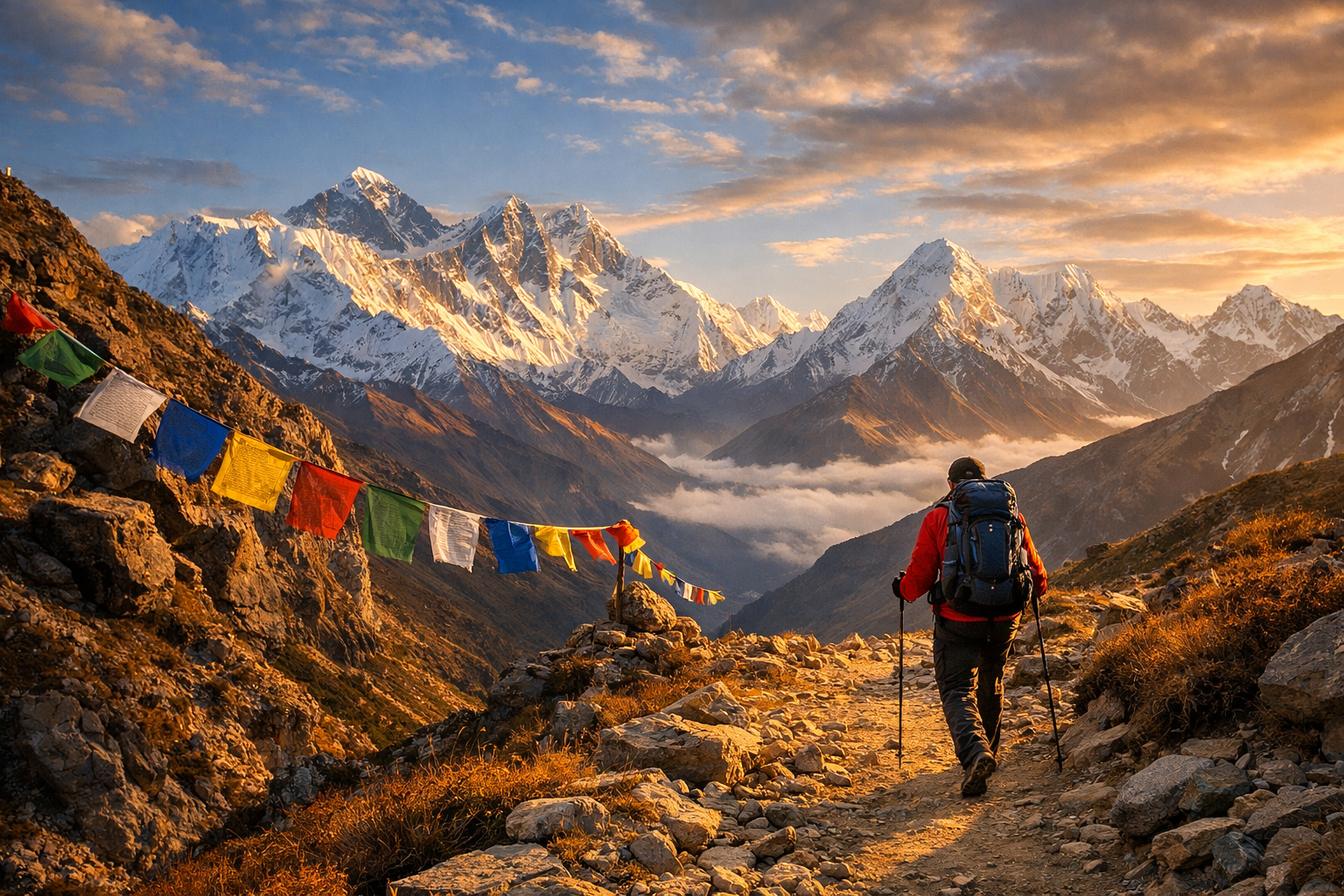
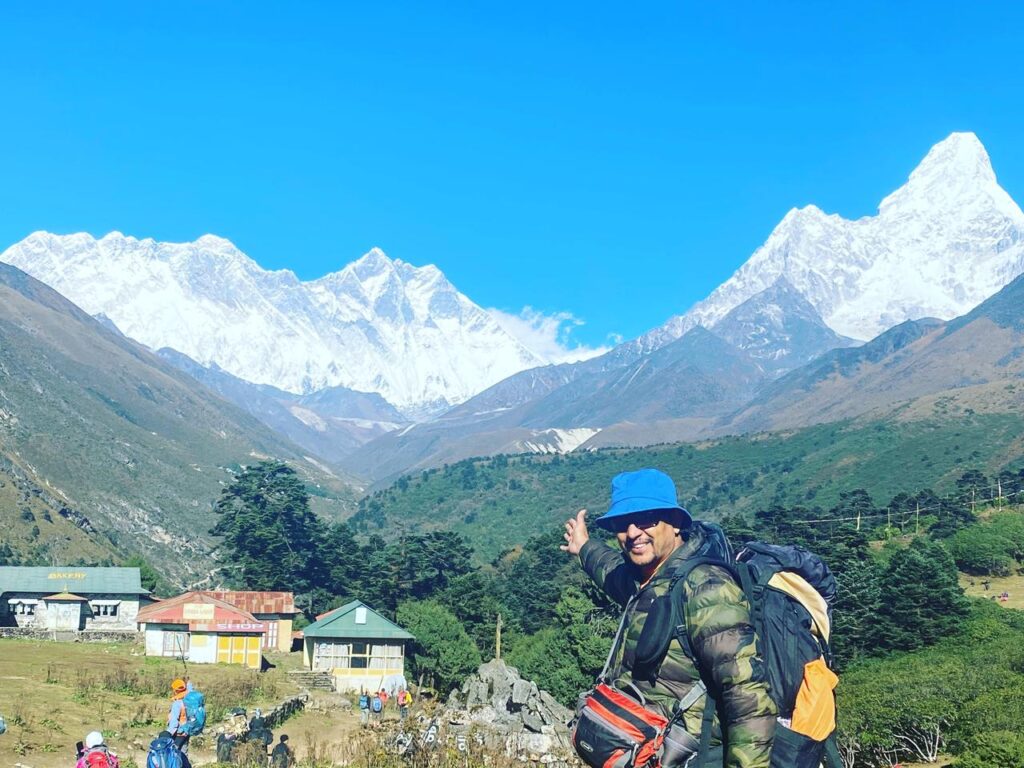
No trekking destination on Earth carries the mythic weight of Everest Base Camp. The journey begins with a heart-stopping mountain flight into Lukla airport (2,860m) and builds steadily through the legendary Sherpa villages of Namche Bazaar, Tengboche, and Dingboche before reaching the base of the world’s highest peak.
What most itineraries don’t tell you: Kala Patthar (5,545m), not EBC itself, is where you get the finest views of Everest’s summit. EBC at 5,364m is a rocky glacier, impressive for its history but photographically dominated by Kala Patthar’s panorama. Make sure your guide includes both.
Local tip: To avoid the morning crowds at Kala Patthar, ask your guide to wake you at 3:30 AM. The pre-dawn ascent under stars, followed by a sunrise erupting gold across the Khumbu, is the single greatest morning of most trekkers’ lives.
2. Annapurna Circuit — The World’s Greatest Trek (Evolved)
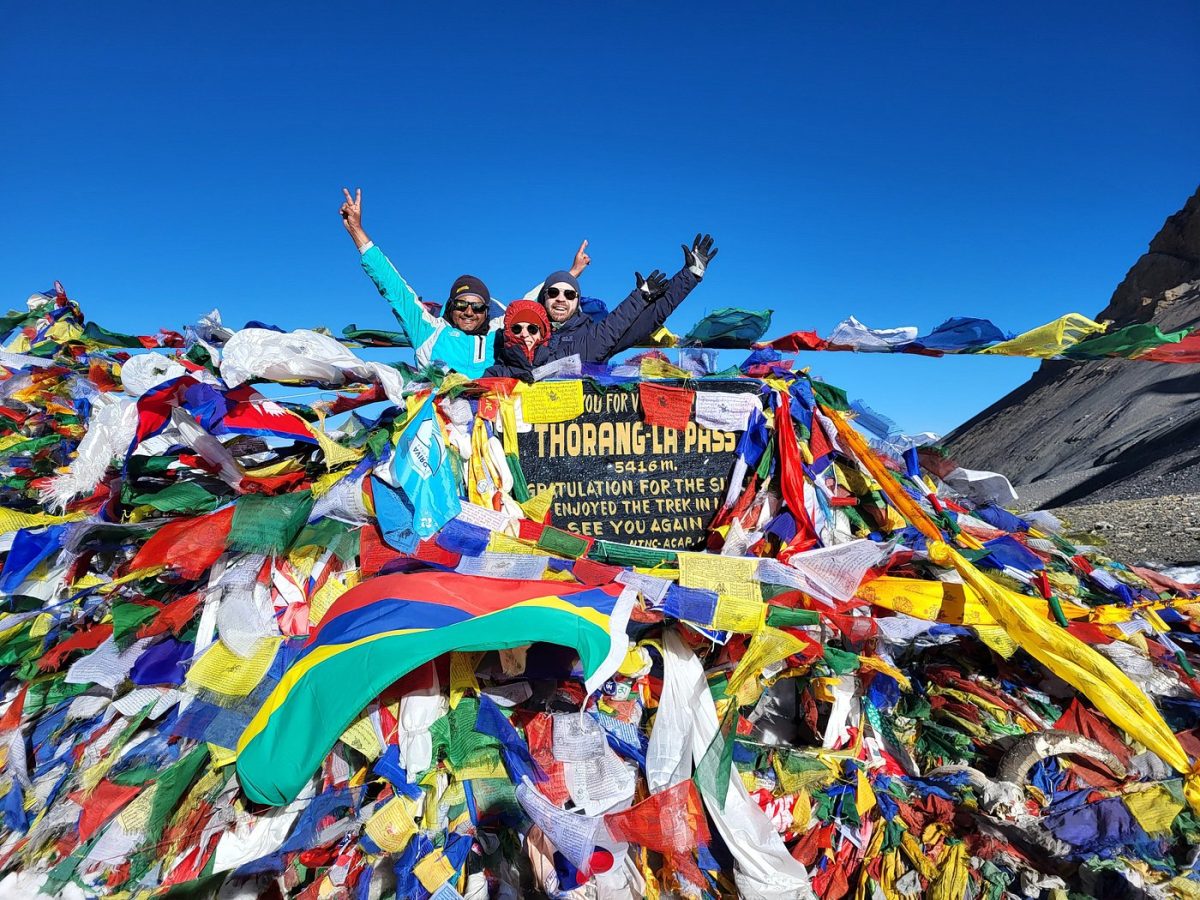
Duration: 10–15 days | Max Altitude: 5,416m (Thorong La Pass) | Difficulty: Moderate–Hard
Once voted the world’s best long-distance trek, the Annapurna Circuit has changed with road construction, but its core remains extraordinary. You move through tropical lowlands, alpine meadows, high desert, and ancient Tibetan-influenced towns, all within a single loop. The diversity of landscapes, climates, and cultures in a two-week window is unmatched anywhere.
The Thorong La crossing (5,416m) is the emotional and physical centrepiece, an early-morning, multi-hour push above 5,000m that rewards you with a descent into Muktinath, one of Nepal’s most sacred pilgrimage sites. Combine with the Tilicho Lake detour (4,919m) for the full experience.
3. Annapurna Base Camp (ABC) Trek — The Best First-Time Himalayan Trek

Duration: 7–10 days | Max Altitude: 4,130m | Difficulty: Moderate
If you are doing your first serious Himalayan trek, Annapurna Base Camp is the one to choose. The route is shorter and lower than EBC but dramatically beautiful, you walk through rhododendron forests, past Gurung villages, along glacial moraines, into a breathtaking 360-degree amphitheatre of towering Annapurna peaks. The views of Machapuchare (the ‘Fish Tail’ mountain, 6,993m) are unforgettable.
ABC is also more forgiving on acclimatization, making it achievable for most healthy adults with two to three months of regular cardio preparation.
4. Langtang Valley Trek — The Hidden Gem Near Kathmandu
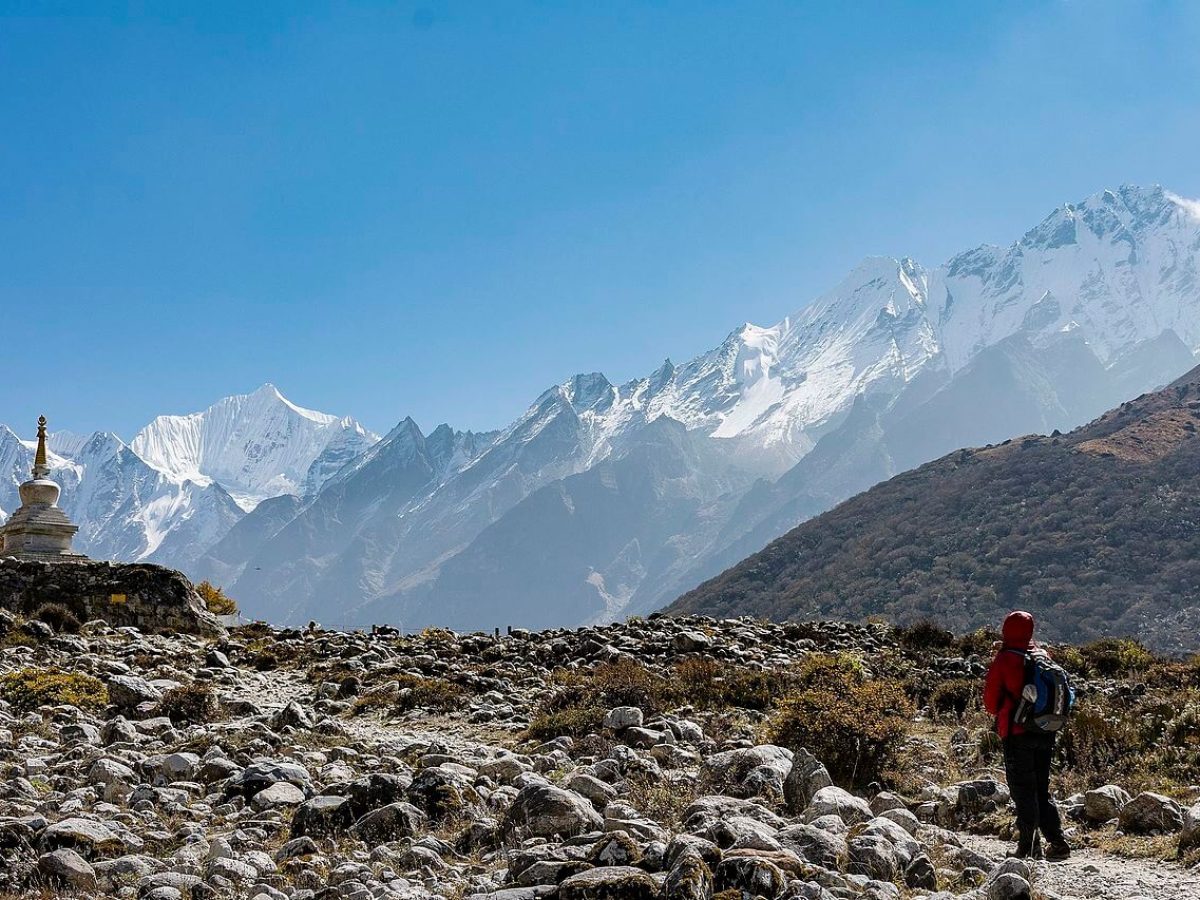
Duration: 7–9 days | Max Altitude: 3,870m (Kyanjin Gompa) | Difficulty: Moderate
Just 60 kilometres north of Kathmandu, Langtang is the closest major trekking region to the capital, and dramatically underrated. The valley is Tamang heartland, with centuries-old Buddhist monasteries, yak pastures, and views of Langtang Lirung (7,227m) that rival anything in the Everest region, at a fraction of the cost.
No domestic flight required. The trailhead at Syabrubesi is a 6–7 hour bus ride from Kathmandu, making Langtang 40–50% cheaper than comparable treks. The optional side hike to Tserko Ri (4,984m) delivers genuinely spectacular viewpoints for stronger trekkers.
Langtang insider tip: The valley was devastated by the 2015 earthquake, but the rebuilt community is resilient and welcoming. Staying in locally-owned teahouses here has an especially meaningful direct impact.
5. Ghorepani Poon Hill Trek — The Perfect Short Trek
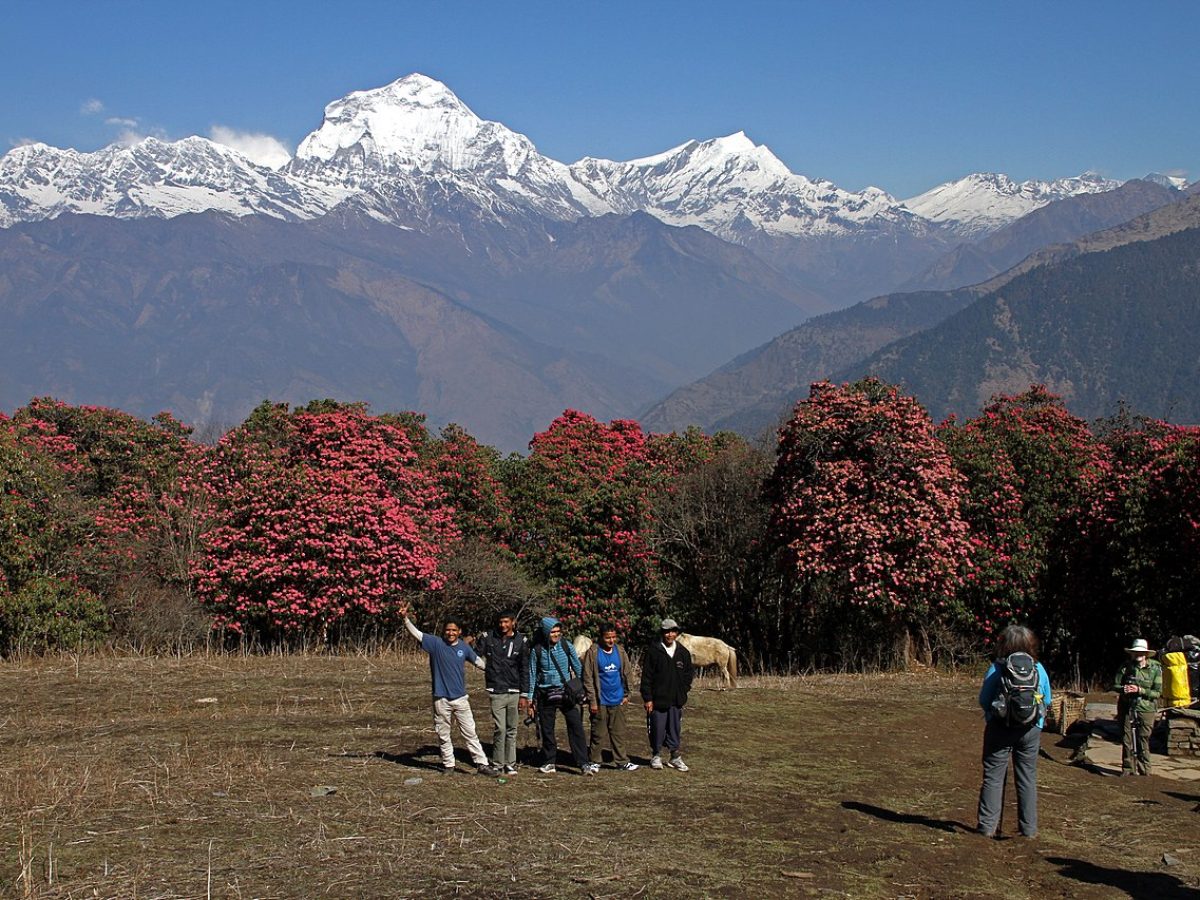
Duration: 4–5 days | Max Altitude: 3,210m | Difficulty: Easy–Moderate
Poon Hill is Nepal’s most rewarding short trek, a 4-day circuit that punches well above its weight in scenery. The pre-dawn climb to the viewpoint at 3,210m reveals a panorama of Dhaulagiri (8,167m), Annapurna South, Hiunchuli, and the iconic pyramid of Machapuchare. In spring (March–April), the trail passes through rhododendron forests in full bloom, arguably the most beautiful few miles of trail anywhere in Nepal.
Ideal for first-time trekkers, travellers with limited time, families, and anyone wanting a genuine taste of Himalayan trekking without a two-week commitment.
6. Off-the-Beaten-Path: Manaslu, Upper Mustang & Nar Phu
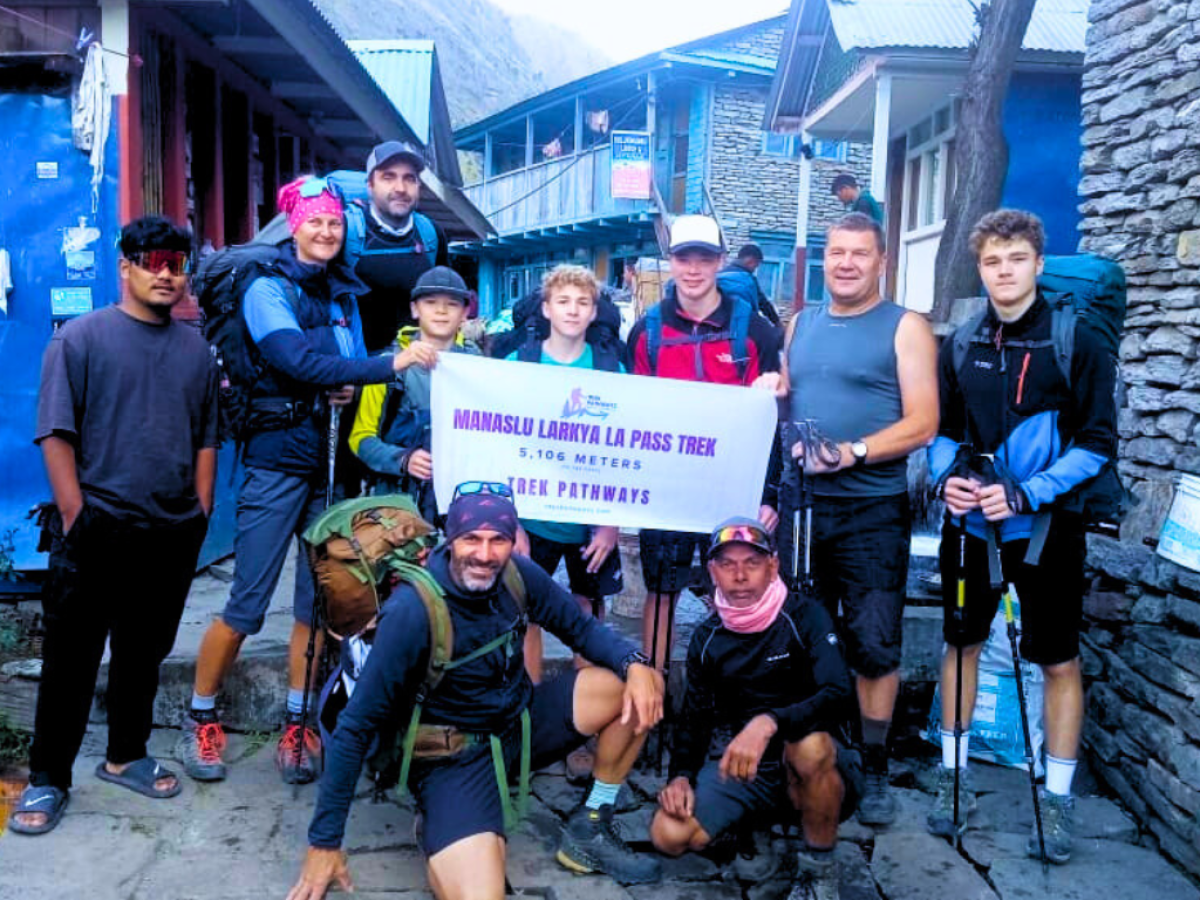
If you have already done Everest or Annapurna and want to go deeper, these routes offer extraordinary experiences with a fraction of the crowds:
- Manaslu Circuit (14–16 days, USD 1,500–2,500): Nepal’s best-kept secret for serious trekkers. Circles the world’s eighth-highest peak through remote Gurung and Tibetan-influenced villages. Requires a restricted area permit but rewards with true wilderness.
- Upper Mustang (12–14 days, USD 2,000–3,000): A former forbidden kingdom with otherworldly Tibetan plateau landscapes, ancient cave monasteries, and walled medieval cities. The rain-shadow location makes it trekable even during monsoon season.
- Nar Phu Valley (12–15 days): Nepal’s most remote accessible valley, sees fewer than 500 trekkers per year. Raw, genuine Himalayan culture and dramatic landscapes for those willing to go the extra mile.
Best Time for Trekking in Nepal
Timing your trek correctly is one of the most important decisions you will make. Nepal has two primary trekking seasons and two off-seasons, each with distinct advantages and drawbacks.
Spring (March to May) — The Best Overall Season
Spring is widely considered the finest time for trekking in Nepal. Skies are clear, temperatures are comfortable even at altitude, and the famous rhododendron forests explode into colour, red, pink, and white blossoms covering the hillsides from 2,000m to 4,000m. March and April offer the best balance of weather, visibility, and trail conditions. May brings warmer temperatures and some pre-monsoon cloudiness but remains viable.
Autumn (September to November) — Crystal-Clear Views
September to November is the other peak trekking season, and many experienced trekkers prefer it. Post-monsoon skies are exceptionally clear, vegetation is freshly green, and the festive energy of Dashain and Tihar festivals fills villages with music and colour. October is the single busiest month on the trails, so book accommodation in advance. November is less crowded and often just as beautiful.
Winter (December to February) — Cold but Serene
Winter trekking is possible and genuinely rewarding on lower-altitude routes (below 3,500m). Trails are quiet, skies are crystal-clear, and mountain views are outstanding. However, high passes like Thorong La and Larkya La can be blocked by snow. Focus on Poon Hill, lower Langtang, and Annapurna lower circuits if trekking in winter.
Monsoon (June to August) — For Specialists Only
The monsoon season brings heavy rain, leeches, and poor visibility on most routes. However, rain-shadow areas like Upper Mustang and Dolpo remain largely dry and are excellent in this period. Experienced trekkers who do not mind rain can also find beautiful, crowd-free trails, just manage your expectations for mountain views.
Nepal Trekking Permits & Costs (2026–2027 Updated)
Nepal’s permit system underwent a major overhaul in 2026. Here is what you need to know:
Key Regulatory Changes for 2026–2027
- The TIMS (Trekkers’ Information Management System) card has been discontinued in many regions, replaced by regional permits and municipality entry fees.
- Solo trekking is now officially banned across most of Nepal’s major trekking regions. All trekkers must hire a licensed guide.
- Guides must be government-licensed and have completed professional trekking guide training.
- Licensed guide fees typically range from USD 25–30 per day. Porter fees start around USD 10–15 per day.
Permit Reference Table by Region
| Trek Region | Required Permits | Foreign Cost (approx.) | Where to Obtain |
| Everest Region | Sagarmatha NP + Khumbu Municipality | NPR ~3,390 + NPR 2,000 | NTB Kathmandu or Lukla entrance |
| Annapurna Region | ACAP | NPR ~3,000 (+13% VAT) | NTB or TAAN office, Pokhara |
| Langtang Region | Langtang National Park Permit | NPR ~3,390 | NTB Kathmandu |
| Manaslu Circuit | Manaslu RAP + MCAP | USD 100/7 days (Sep–Nov) + NPR 3,000 | Registered trekking agency only |
| Upper Mustang | Restricted Area Permit + ACAP | USD 500/10 days + NPR 3,000 | Registered trekking agency only |
| Upper Dolpo | Restricted Area Permit + Shey NP | USD 500/10 days (initial) | Registered trekking agency only |
Note: Fees are subject to change. Always verify current rates with the Nepal Tourism Board or your registered trekking agency before departure.
What Does a Nepal Trek Actually Cost?
Total costs depend heavily on route, duration, and how you travel. Here is a realistic breakdown:
- Budget independent treks (Poon Hill, short Langtang): USD 300–900 total
- Standard guided treks (Annapurna Base Camp, Everest Base Camp): USD 1,000–1,800 total
- Premium extended treks (Manaslu, Kanchenjunga): USD 2,000–3,500+
- Restricted area treks (Upper Mustang, Upper Dolpo): USD 2,500–4,500+
Daily independent trekking budgets (excluding guide/porter): USD 30–60/day for accommodation, food, and incidentals on standard routes. Guided package rates: USD 80–150/day all-inclusive on most popular routes.
Trekking Difficulty Levels in Nepal
Be honest with yourself when assessing difficulty. Altitude affects everyone differently, and overestimating your fitness at 5,000m has serious consequences.
Easy (Suitable for Healthy Beginners)
- Ghorepani Poon Hill — Max 3,210m, 4–5 hours/day
- Ghandruk Village Loop — Max 2,010m, 3–5 hours/day
- Helambu Trek — Max 3,650m, 4–6 hours/day
- Mardi Himal Short Trek — Max 3,550m (High Camp), 4–5 hours/day
Moderate (Requires Fitness Preparation)
- Langtang Valley Trek — Max 3,870m, 5–6 hours/day
- Annapurna Base Camp — Max 4,130m, 5–7 hours/day
- Upper Mustang — Max 4,200m, 5–7 hours/day
- Everest View Trek — Max 3,880m, 5–6 hours/day
Challenging (Prior High-Altitude Experience Recommended)
- Everest Base Camp — Max 5,545m, 5–8 hours/day
- Annapurna Circuit — Max 5,416m, 6–8 hours/day
- Manaslu Circuit — Max 5,106m, 6–8 hours/day
Strenuous (Experienced Himalayan Trekkers Only)
- Everest Three High Passes — Max 5,535m, multiple high passes
- Kanchenjunga Circuit — Remote, multi-week, high altitude
- Upper Dolpo — Extreme remoteness, high elevation
Altitude advice from experience: Acute Mountain Sickness (AMS) does not discriminate. I have guided Olympic athletes who suffered badly at altitude and sedentary professionals who acclimatized perfectly. Never rush ascent profiles. The golden rule: above 3,000m, ascend no more than 300–500m per day, and always plan a rest day for every 1,000m gain.
Tips for First-Time Trekkers in Nepal
Training and Preparation
- Begin cardio training (hiking, running, cycling) at least 8–12 weeks before your trek.
- Practice with a loaded daypack, carry 5–8kg on your training walks.
- If possible, do a few overnight hikes before departing for Nepal.
- Visit your doctor at least 4–6 weeks before departure for altitude sickness medication advice (Diamox/Acetazolamide) and any required vaccinations.
Choosing the Right Gear
- Broken-in trekking boots are non-negotiable, never use brand-new boots on a Himalayan trek.
- Layering system: moisture-wicking base layer, insulating mid-layer, waterproof outer shell.
- A good sleeping bag rated to -10°C is essential above 3,500m (even in teahouses).
- Trekking poles significantly reduce knee strain on descents, highly recommended.
- You can hire gear in Kathmandu’s Thamel district if you prefer not to carry it from home.
Choosing a Trekking Agency
Since solo trekking is now banned on major routes, selecting the right agency matters more than ever. Look for:
- TAAN (Trekking Agencies Association of Nepal) registration
- Verified reviews on TripAdvisor, Google, or GetYourGuide
- Transparent pricing that includes guide, permits, accommodation, and meals
- Clear policies on guide certification and porter welfare
- Local Nepali ownership, agencies run by local families return more money to communities
Safety and Health on the Trail
Altitude Sickness (AMS)
Acute Mountain Sickness is the most significant health risk for trekkers in Nepal. Symptoms include headache, nausea, dizziness, and fatigue. The treatment is always descent. Never ascend if you have AMS symptoms, and inform your guide immediately.
HACE (High-Altitude Cerebral Edema) and HAPE (High-Altitude Pulmonary Edema) are the severe forms, both life-threatening. HAPE involves fluid in the lungs; HACE involves swelling of the brain. Both demand immediate descent and emergency medical attention. HIMS (Himalayan International Mountain Sickness) clinics in Namche Bazaar and Pheriche on the EBC route provide emergency assessment.
Emergency Resources
- TIMS/Guide Contact: Your licensed guide is your first emergency resource, they are trained in basic mountain medicine and evacuation procedures.
- Helicopter Rescue: Covered by most comprehensive travel insurance policies. Companies like Fishtail Air and Simrik Airlines operate high-altitude rescues. Always carry your insurance documents.
- Nepal Police Emergency: 100 (general) or the Tourist Police hotline: +977-1-4700750
- CIWEC Hospital, Kathmandu: +977 1 4435232, the recommended hospital for trekking-related medical issues
Essential Safety Tips
- Purchase comprehensive travel insurance that specifically covers high-altitude trekking and helicopter evacuation. This is not optional.
- Share your detailed itinerary with someone at home before you leave.
- Drink 3–4 litres of water daily at altitude — dehydration accelerates AMS.
- Avoid alcohol and sleeping pills above 3,000m — both suppress breathing during sleep.
- Carry a basic first aid kit including blister treatment, rehydration salts, and an antiseptic.
- Trust your guide’s judgment on weather and route conditions — they know these mountains.
5 Mistakes First-Time Nepal Trekkers Make (And How to Avoid Them)
- 1. Rushing the ascent profile — The most common cause of evacuation. Follow your guide’s recommended acclimatization schedule strictly, even when you feel fine.
- 2. Underestimating the cold — Even in October, temperatures above 4,000m drop to -15°C at night. A proper sleeping bag and down jacket are non-negotiable, not luxuries.
- 3. Booking without checking agency credentials — With the mandatory guide requirement, fly-by-night operators have proliferated. Always verify TAAN registration.
- 4. Skipping travel insurance — A helicopter rescue from EBC can cost USD 3,000–5,000+. Insurance is a few hundred dollars. The math is obvious.
- 5. Relying on outdated permit information — Nepal’s permit rules changed substantially in 2026. Always confirm current requirements with your agency or the Nepal Tourism Board before departing.
Frequently Asked Questions About Trekking in Nepal
1. Can I trek in Nepal without a guide in 2026–2027?
No. As of 2026, solo trekking is officially banned on all major trekking routes in Nepal. All trekkers must be accompanied by a licensed, government-registered guide. This applies to popular routes including Everest Base Camp, Annapurna Circuit, Annapurna Base Camp, Langtang, and all restricted areas. Some very short, low-altitude hikes near Kathmandu and Pokhara may still be walked independently, but this is the exception. The regulation aims to improve trekker safety and create employment for Nepali mountain communities.
2. How much does trekking in Nepal cost in 2026?
Total trekking costs in Nepal vary by route and travel style. Budget-friendly short treks like Poon Hill cost USD 300–600 for a guided experience. Mid-range standard guided packages for Everest Base Camp or Annapurna Base Camp run USD 1,000–1,800 including permits, accommodation, meals, guide, and porter. Premium or restricted area treks (Upper Mustang, Manaslu) cost USD 2,000–4,500+. Daily all-inclusive guided rates are typically USD 80–150 per day for standard routes. Factor in international flights, gear, travel insurance, and Kathmandu accommodation separately.
3. What is the best time of year to go trekking in Nepal?
The two best seasons for trekking in Nepal are spring (March to May) and autumn (September to November). Spring offers blooming rhododendrons, comfortable temperatures, and excellent mountain views. Autumn delivers the year’s clearest skies and the vibrant energy of Nepal’s major festival season. October is the single most popular month. Winter (December–February) works for lower altitude routes with peaceful trails and clear views. Monsoon (June–August) is best avoided on most routes, though rain-shadow areas like Upper Mustang trek exceptionally well.
4. Do I need special permits for trekking in Nepal?
Yes. Almost every major trekking route in Nepal requires at least one permit. The specific permits depend on the region: Everest Region requires the Sagarmatha National Park Permit and a Khumbu Municipality Entry Permit; Annapurna requires the ACAP (Annapurna Conservation Area Permit); Langtang requires a Langtang National Park permit; and restricted areas like Upper Mustang, Manaslu, and Dolpo require special Restricted Area Permits (RAPs) obtained exclusively through registered trekking agencies. Permit fees range from approximately USD 20–500+ depending on the region and duration.
5. How fit do I need to be to trek in Nepal?
Fitness requirements vary significantly by trek. For easy routes like Poon Hill (max 3,210m, 4–5 hours/day), a basic level of general fitness is sufficient. Moderate treks like Langtang Valley and Annapurna Base Camp (max 3,870–4,130m) require consistent cardio fitness built over 6–8 weeks of preparation. Challenging routes like Everest Base Camp and Annapurna Circuit (5,000m+) demand serious physical preparation and ideally some prior experience trekking above 3,000m. Regardless of fitness level, altitude affects everyone differently, the most important preparation is a sensible, slow ascent profile with proper acclimatization days built into your itinerary.
6. Is Nepal trekking safe for solo female trekkers?
Nepal is generally considered one of the safer destinations in Asia for female travellers. Most Nepali communities along trekking routes are welcoming and respectful. With the 2026 mandatory guide regulation now in effect, female solo trekkers will always be accompanied by a licensed guide on major routes, which adds an additional layer of security. Choose a reputable, TAAN-registered agency, share your itinerary with contacts at home, and trust your instincts as you would anywhere. The trekking community is international and friendly, you will rarely feel isolated on Nepal’s main trails.
7. What vaccinations and health preparations are needed?
Consult your doctor or a travel medicine clinic at least 4–6 weeks before departure. Commonly recommended vaccinations include Hepatitis A and B, Typhoid, Tetanus-Diphtheria, and Japanese Encephalitis (for longer stays). Rabies vaccination is worth considering for rural trekking. For altitude, discuss Diamox (Acetazolamide) with your doctor, it significantly reduces AMS risk and is widely used by trekkers above 3,500m. Comprehensive travel insurance covering medical evacuation and helicopter rescue is mandatory, not optional.
Ready to Trek Nepal? Take the Next Step.
Nepal’s Himalayas are waiting. Whether you have two weeks or two months, whether this is your first trek or your tenth, there is a route in these mountains that will change how you see the world.
Our team of certified local guides and trekking specialists are here to design your perfect Nepal trek — with full permit management, transparent pricing, and 15+ years of Himalayan experience behind every itinerary.
→ [Get a Free Custom Itinerary] | [View All Nepal Trek Packages] | [Contact Our Team]
About This Guide
This article was researched and written using 15+ years of hands-on guiding experience across Nepal’s Himalayan trails, combined with the latest official information from the Nepal Tourism Board, the Department of Immigration, and the Trekking Agencies Association of Nepal (TAAN). All permit costs, regulations, and route information have been verified against official sources as of early 2026. We update this guide every six months to ensure accuracy.
Sources: Nepal Tourism Board (ntb.gov.np) | Department of Immigration Nepal (immigration.gov.np) | Trekking Agencies Association of Nepal (taan.org.np)

 English
  Deutsch
  Français
  Português
  Español
0 Comment