
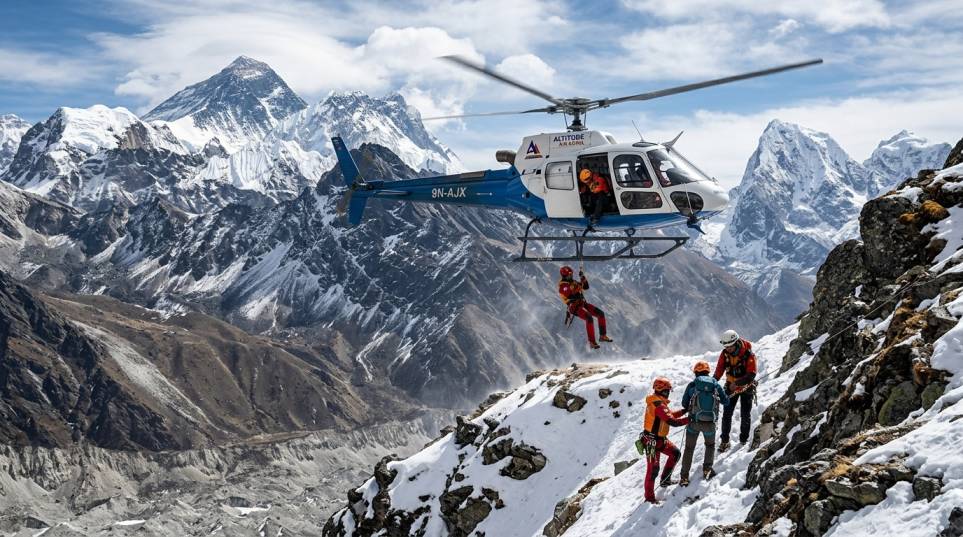
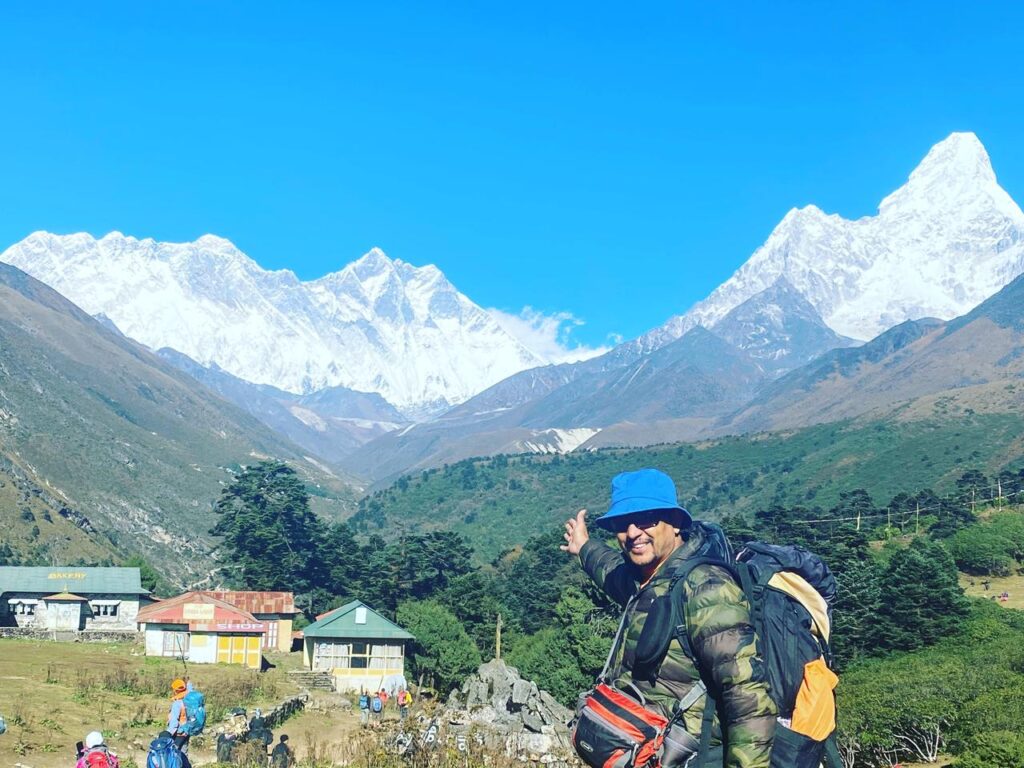
Nobody plans to need a helicopter rescue on a Nepal trek. But altitude sickness, accidents, and severe stomach illness can happen to anyone, regardless of fitness or experience. This guide explains when helicopter rescues are called in Nepal, how much they cost, how the insurance process works, and what you can do to reduce the chances of ever needing one.

When Is a Helicopter Rescue Called?
Helicopter rescues in Nepal are triggered by three main scenarios: severe altitude sickness (HAPE or HACE), traumatic injury (fall, avalanche, rock fall), and severe medical illness (heart attack, appendicitis, severe dehydration). Of these, altitude sickness accounts for 60-70% of all rescues. The decision to call a helicopter is made by your guide in consultation with a doctor at a Himalayan Rescue Association clinic (in Manang, Pheriche, or Everest ER in Lukla).
The classic altitude sickness rescue scenario: a trekker pushes too high too fast, develops a severe headache, nausea, and ataxia (loss of coordination), and cannot descend safely. The guide calls the rescue company, which contacts the insurance provider for authorization. The helicopter arrives within 1-3 hours depending on weather, and flies the patient to Kathmandu. For altitude sickness prevention, see our altitude acclimatization guide.
Helicopter Rescue Costs in Nepal (2026)
| Route | Cost (USD) | Flight time | Notes |
|---|---|---|---|
| Gorak Shep to Kathmandu | 8,000-12,000 | 1.5 hours | Most expensive, highest altitude |
| EBC to Lukla | 3,000-5,000 | 20 minutes | Often cheaper to fly to Lukla then drive |
| Annapurna (Manang) to Kathmandu | 5,000-8,000 | 1 hour | Direct flight possible |
| Manaslu (Samagaon) to Kathmandu | 6,000-9,000 | 1.5 hours | Long flight, restricted airspace |
| Langtang (Kyanjin) to Kathmandu | 4,000-7,000 | 45 minutes | Closest to Kathmandu |
| Mustang to Pokhara | 5,000-8,000 | 1 hour | Via Jomsom |
| Dolpo to Nepalgunj | 5,000-8,000 | 1 hour | Limited helicopter availability |
These are direct-pay costs. If your insurance pays the helicopter company directly (World Nomads, Global Rescue, IMG), you pay nothing on the spot. If your insurance requires reimbursement, you must pay the helicopter company by credit card or cash and claim back later. Most trekkers cannot pay USD 10,000 on the spot, so direct-pay insurance is essential. See our best travel insurance guide for providers that pay directly.
The Rescue Process: Step by Step
- 1. Recognize the emergency: Guide assesses the patient and calls a Himalayan Rescue Association doctor if available.
- 2. Call the rescue company: Fishtail Air, Simrik Air, or Heli Everest. Provide GPS coordinates and patient condition.
- 3. Insurance authorization: Rescue company calls your insurance 24-hour emergency line for pre-authorization.
- 4. Helicopter dispatch: Helicopter flies from Kathmandu or Lukla to your location. Weather permitting, arrives in 1-3 hours.
- 5. On-scene assessment: Helicopter lands at nearest flat spot. Patient is loaded with a guide or family member.
- 6. Flight to Kathmandu: Patient flown to Tribhuvan University Teaching Hospital or CIWEC clinic.
- 7. Hospital admission: Patient is admitted and treated. Insurance is billed directly or reimburses you.
- 8. Follow-up: If evacuation to home country is needed, insurance arranges commercial flight with medical escort.
Insurance: How the Payment Actually Works
Most reputable insurance providers (World Nomads, Global Rescue, IMG, battleface) have direct-pay agreements with Nepal’s main rescue operators. When your guide calls the rescue company, the rescue company contacts your insurance for a guarantee of payment. Once authorized, the helicopter flies. You pay nothing on the spot. After landing in Kathmandu, you may need to pay hospital bills upfront and claim reimbursement, depending on your policy.
For reimbursement-only policies, you will need to pay the helicopter company USD 5,000-10,000 by credit card or cash, then submit a claim with receipts, medical reports, and a letter from your guide. This can take 4-12 weeks. Always carry a credit card with at least USD 10,000 available credit as a backup, even with direct-pay insurance. See our ATM and cash guide for credit card tips.
How to Avoid Needing a Helicopter Rescue
- Acclimatize properly: Take rest days every 1,000 m of altitude gain. Never skip acclimatization days.
- Recognize altitude sickness early: Headache, nausea, loss of appetite, fatigue. Descend immediately if symptoms worsen.
- Carry Diamox: Take 125 mg twice daily from 3,000 m to prevent altitude sickness.
- Stay hydrated: Drink 3-4 liters of water per day. Dehydration worsens altitude sickness.
- Avoid alcohol at altitude: Skip beer and wine above 3,500 m.
- Walk at a sensible pace: If you cannot hold a conversation, you are going too fast.
- Listen to your guide: Experienced guides spot altitude sickness symptoms before you do.
- Buy travel insurance: Even with prevention, accidents happen. Carry comprehensive insurance with helicopter rescue.
Frequently Asked Questions (FAQ)
How long does a helicopter rescue take in Nepal?
Typically 1-3 hours from call to arrival, depending on weather, location, and helicopter availability. From Gorak Shep or Lobuche (high altitude, far from Kathmandu), expect 2-3 hours. From Langtang or Helambu (closer to Kathmandu), expect 45-90 minutes. Bad weather can delay rescue by 4-24 hours.
Do I have to pay for a helicopter rescue on the spot?
If your insurance has a direct-pay agreement with the rescue company (World Nomads, Global Rescue, IMG), no. If your insurance requires reimbursement, yes — you pay USD 5,000-10,000 by credit card or cash and claim back later. Always carry a credit card with USD 10,000+ available limit as backup.
Can a helicopter fly at night in Nepal?
No. Nepal helicopter regulations prohibit night flights for civilian rescues. If you need rescue after 5 PM, the helicopter will fly at first light the next morning (6-7 AM). Your guide will keep you warm and monitor your condition overnight. This is why prompt daytime calls are critical.
What if I cannot be rescued by helicopter due to weather?
If weather prevents helicopter flight, the patient must be carried down by porters or walked down with assistance. This can take 6-24 hours depending on terrain. Your guide will arrange for the fastest possible descent. In severe cases, the patient may be carried on a makeshift stretcher. Always carry insurance that covers both helicopter and ground evacuation.
Trek Pathways guides are trained in wilderness first aid and altitude sickness recognition. Browse our Manaslu Circuit Trek, Everest Base Camp Trek, or Annapurna Circuit Trek packages for a safer Himalayan adventure.

 English
  Deutsch
  Français
  Português
  Español
0 Comment