

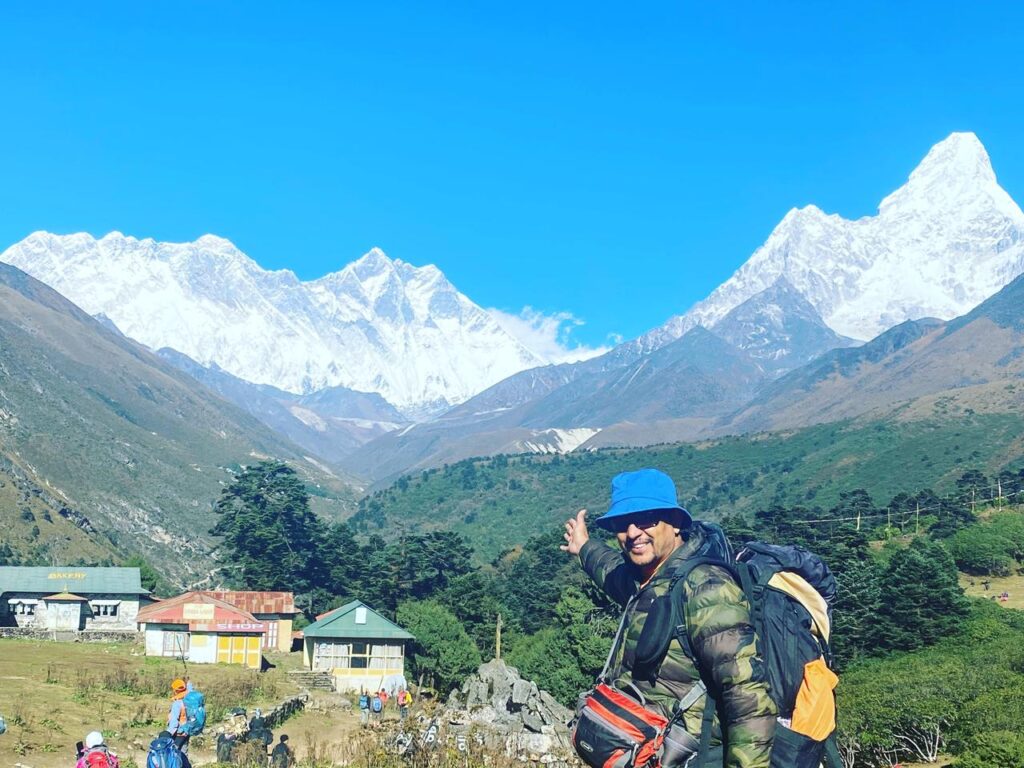
Nepal es el hogar de las rutas de trekking más icónicas del mundo, y dos nombres dominan la lista de deseos de cada caminante, el campamento base del Everest y el campamento base de Annapurna. Ambos viajes ofrecen un paisaje del Himalaya impresionante, una rica cultura y una aventura inolvidable. Pero la gran pregunta sigue siendo:
Descripción general de la caminata del campamento base del Everest
El Campamento Base del Everest (EBC) Trek te lleva a la base de la montaña más alta del mundo, el Monte Everest (8.848,86 m). La caminata comienza con un emocionante vuelo al aeropuerto de Tenzing-Hillary en Lukla y pasa por famosos pueblos sherpa como Namche Bazaar y el Monasterio Espiritual Tengboche.

Aspectos destacados clave de EBC Trek:
- abarcar Campamento Base Del Everest (5.364m)
- Caminata a Kala Patthar (5.545 m) para ver las mejores vistas del amanecer del Everest
- Vistas de primer plano de Lhotse, Nuptse y Ama Dablam
- Experimenta la cultura sherpa auténtica
- Vuelo de aventura a Lukla
Datos rápidos:
- Duración: 12-14 días
- Altitud máxima: 5.545 m (Kala Patthar)
- Nivel de dificultad: Moderado a Desafiante
- Mejor época: primavera (marzo-mayo) y otoño (septiembre-noviembre)
Visión general de la caminata de campo base de Annapurna
El Campamento base de Annapurna (ABC) Trek te lleva al corazón del Santuario de Annapurna, rodeado de enormes picos del Himalaya, incluidos Annapurna I (8.091 m) y Machapuchare.

A diferencia de Everest, esta caminata comienza con un recorrido panorámico a Pokhara y luego a los exuberantes bosques de rododendros y pueblos tradicionales de gurung como Ghandruk.
Aspectos destacados clave de ABC Trek:
- abarcar Annapurna Base Camp (4.130m)
- 360° Anfiteatro de montaña Vistas
- Aguas termales naturales en Jhinu Danda
- Paisajes diversos (bosques, cascadas, glaciares)
- Trek de menor y menor altitud
Datos rápidos:
- Duración: 7-11 días
- Altitud máxima: 4.130 m
- Nivel de dificultad: Moderado
- Mejor época: primavera y otoño
Campamento base del Everest vs Campamento base de Annapurna: comparación detallada
Nivel de dificultad
Campamento Base Del Everest Trek
- Altura más alta (por encima de 5.000 m)
- Mayor riesgo de enfermedad de altitud
- Días de trekking más largos
- más exigente físicamente
Annapurna Base Camp Trek
- Altitud más baja (4.130 m)
- Aclimatación más fácil
- menor duración
- Adecuado para principiantes con fitness
- Ganador para Easy Trek: Campamento Base Annapurna
Paisaje y paisaje
Región Del Everest
- Terreno alpino espectacular de gran altitud
- Glaciares masivos como el glaciar Khumbu
- Paisajes montañosos escarpados
Región De Annapurna
- Exuberantes bosques, ríos, cascadas
- tierras de cultivo en terrazas
Cerrar anfiteatro de montaña en el campamento base
Ganador de Paisaje Diverso: Campamento Base Annapurna
Ganador de las icónicas vistas del Himalaya: Campamento base del Everest
Experiencia cultural
Campamento Base Del Everest
- Cultura Sherpa
- Monasterios budistas tibetanos
- Banderas de oración y muros mani
Annapurna Base Camp
- Comunidades Gurung y Magar
- Pueblos de montaña tradicionales
- Cultura hindú y budista mixta
Ambos ofrecen ricas experiencias culturales, solo en diferentes comunidades étnicas.
| condición | Campamento Base Del Everest | Annapurna Base Camp |
|---|---|---|
| COSTO MEDIO | superior | Inferior |
| Vuelo requerido | Vuelo de Lukla | No se requiere vuelo |
| Permite | Sagarmatha + Permiso Local | ACAP + TIM |
EBC es generalmente más caro debido al vuelo de Lukla y a los mayores costos logísticos.
- Opción económica: Campamento base de Annapurna
Alojamiento e instalaciones
- Ambas caminatas ofrecen alojamiento en casa de té.
- Los albergues de la región del Everest son un poco más comercializados.
- La región de Annapurna ofrece opciones de alimentos más amplias.
- Wi-Fi y carga están disponibles en ambos (coste adicional).
Ambos son cómodos para el trekking de la casa de té.
Altitud y aclimatación
- EBC: Requiere días de aclimatación adecuados en Namche y Dingboche.
- ABC: Ascenso más rápido, pero el riesgo de altitud es menor.
Si te preocupa el mal de altura, ABC es más seguro.
Accesibilidad
Campamento Base Del Everest
- Vuelo a Lukla (dependiente del clima)
- Posibles retrasos
Annapurna Base Camp
- Conduce desde Pokhara
- Transporte más confiable
ABC es más fácil logísticamente.
Resumen de pros y contras
Campamento Base Del Everest Trek
Pros
- Camina hasta la base de la montaña más alta del mundo
- Más dramático y extremo
- Logro de lista de deseos
Contras
- Mayor riesgo de altitud
- más caro
- Incertidumbres de vuelo de Lukla
Annapurna Base Camp Trek
Pros
- altitud más baja
- menor duración
- económico
- Paisajes variados
Contras
- Menos extremo que el Everest
- Altitud del campamento base más baja
¿Qué trek es mejor para ti?
Elija la caminata del campamento base del Everest si:
- Quieres una experiencia Everest única en la vida
- Disfrutas de los desafíos de gran altitud
- Tienes 12 a 14 días disponibles
Elija la caminata de campamento base de Annapurna si:
- Eres un trekker principiante
- prefieres un itinerario más corto
- Quieres paisajes diversos con una altitud más baja
- usted está en un presupuesto más ajustado
Mejor momento para ambos treks
Las mejores temporadas para ambas caminatas son:
- Primavera (marzo-mayo): cielos despejados, rododendros en flor
- Otoño (septiembre a noviembre): clima estable, mejores vistas a la montaña
- El invierno y el monzón son posibles pero menos recomendables.
Campamento base Everest vs Campamento base de Annapurna
- No hay una sola caminata “mejor”, solo la que se ajuste a tus objetivos.
- Si sueñas estar de pie debajo del Monte Everest, ve por EBC.
- Si quieres una aventura más corta, escénica y un poco más fácil del Himalaya, elige ABC.
Ambas caminatas ofrecen experiencias de montaña de clase mundial, encuentros culturales inolvidables y recuerdos del Himalaya que cambian la vida.

 English
  Deutsch
  Français
  Português
  Español
0 Comment