
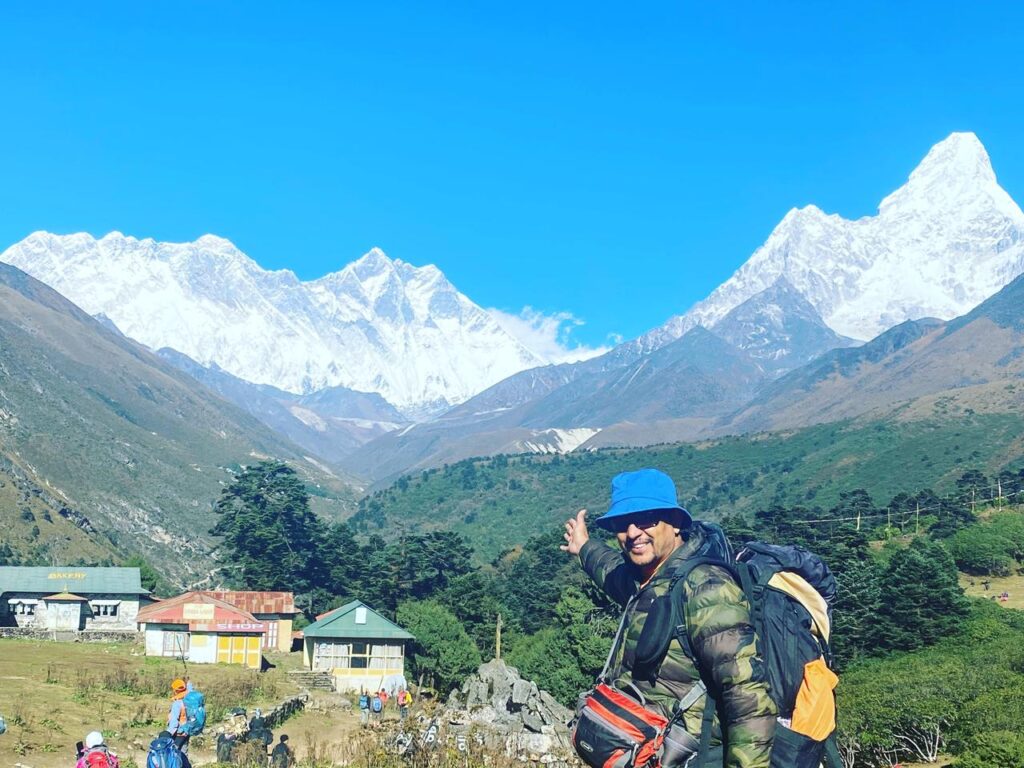
Cash is king on a Nepal trek. Above Lukla and Pokhara, ATMs become unreliable, card machines disappear, and every teahouse, shower, charging outlet, and Wi-Fi voucher runs on Nepali rupees. This ATM and cash withdrawal guide for Nepal trekking regions tells you exactly where to withdraw, how much to carry, and how to avoid the USD 20 withdrawal-fee trap that catches almost every first-time trekker in Kathmandu.

ATMs in Kathmandu: Where to Withdraw Before You Trek
Kathmandu has the most reliable ATMs in Nepal, but the right machine matters. Standard Chartered, Himalayan Bank, Nabil Bank, and Nepal Investment Bank ATMs in Thamel accept foreign Visa and Mastercard with a per-withdrawal limit of NPR 30,000-40,000. The withdrawal fee is NPR 500-700 per transaction plus a 2-3% foreign transaction fee from your bank, so withdraw the maximum each time to minimize repeat fees.
Avoid the white-label ATMs labeled “International ATM” in Thamel tourist restaurants, which often charge USD 8-12 per withdrawal and give poor exchange rates. The most reliable ATMs for foreigners are inside Standard Chartered Bank (Yak and Yeti Hotel compound) and Nabil Bank in Thamel. Bring two cards from different banks in case one is blocked by your bank’s fraud detection after the first withdrawal.
ATMs in Pokhara and Other Trekking Gateways
Pokhara Lakeside has many ATMs that accept foreign cards, including Himalayan Bank, Nabil, and Nepal Investment Bank. Withdraw your full trek cash here before heading to the Annapurna trailhead. The last reliable ATM on the Annapurna Circuit is in Besisahar; beyond that, you are carrying cash. On the Everest route, the last working ATM is in Lukla (Nabil Bank), but it is often out of cash or broken. Namche Bazaar has one ATM that works intermittently.
| Location | ATM availability | Withdrawal limit | Reliability |
|---|---|---|---|
| Kathmandu Thamel | Multiple banks | NPR 35,000 | High |
| Kathmandu airport | 1-2 ATMs | NPR 20,000 | Medium |
| Pokhara Lakeside | Many ATMs | NPR 30,000 | High |
| Besisahar | 2-3 ATMs | NPR 25,000 | Medium |
| Lukla | 1 Nabil ATM | NPR 20,000 | Low |
| Namche Bazaar | 1 ATM | NPR 10,000 | Very low |
| Above Namche | None | n/a | n/a |
How Much Cash to Carry on a Nepal Trek
For a 12-14 day tea-house trek, carry NPR 40,000-60,000 per person in mixed denominations (lots of NPR 100 and 500 notes, some 1,000s). This covers three meals a day, hot showers, charging, Wi-Fi, drinks, snacks, toilet paper, and the tip pool for your guide and porter. Add USD 200-400 in small bills as emergency backup, since USD is widely accepted for helicopter rescue deposits and large teahouse bills. Use our Nepal trekking cost calculator to dial in the exact amount for your route.
Card Payments on the Trail: Do They Work?
Card machines exist in Namche, Lukla, and a few larger teahouses, but they require a satellite connection that frequently fails. Always treat card payment as a bonus, not a backup. If a teahouse offers card payment, expect a 3-5% surcharge. Some lodges now accept WeChat Pay and Alipay from Chinese trekkers, but this is not useful for most Western travelers. Carrying enough NPR cash is the only reliable strategy.
Tips for Carrying Cash Safely on a Nepal Trek
- Split your cash: Keep 1/3 in your daypack, 1/3 in your money belt, 1/3 in your main pack.
- Use dry bags: Cash and cards must stay dry. A small zip-lock inside a dry bag is ideal.
- Carry small notes: NPR 100 and 500 notes are gold on the trail. Teahouses rarely have change for NPR 1,000.
- Bring USD backup: 5-10 crisp USD 20 bills for emergencies or helicopter deposits.
- Hide a reserve: Hide NPR 5,000 in your toiletry bag for the bus back to Kathmandu.
- Photograph your cards: Save the front and back of each card in offline notes for emergency cancellation.
For more on handling money and avoiding mistakes, see our hidden expenses guide and our trekking scams guide.
Currency Exchange in Kathmandu
If you arrive with USD, EUR, or GBP cash, exchange it at a money changer in Thamel rather than the airport. Thamel rates are 2-3% better than airport rates. Suggested money changers include Nepal Investment Bank, Everest Money Changer, and Thamel Money Exchange. Always ask for a receipt and check the rate online (Nepal Rastra Bank daily rate) before agreeing. Keep some USD cash unexchanged as emergency backup, since USD is more useful than NPR if you need a helicopter rescue.
Frequently Asked Questions (FAQ)
Can I use my foreign debit card in Nepal?
Yes, but notify your bank before traveling to avoid fraud blocks. Visa and Mastercard work in major bank ATMs in Kathmandu and Pokhara. Withdrawal limits are typically NPR 30,000-40,000 per transaction with a NPR 500-700 fee. Bring a backup card from a different bank.
Should I exchange money at Kathmandu airport?
Only for immediate taxi fare (NPR 1,500-2,000 to Thamel). Exchange larger amounts in Thamel for a better rate, or withdraw NPR directly from a Standard Chartered or Nabil ATM. The airport exchange rate is 2-3% worse than Thamel rates.
How much USD cash should I bring to Nepal?
Bring USD 200-400 in crisp, undamaged bills (post-2009 series). USD is widely accepted for helicopter rescue deposits, visa fees on arrival, and tips in USD-friendly lodges. Avoid old or torn USD bills as they may be refused.
Are there ATMs on the Everest Base Camp trek?
Only in Lukla (1 Nabil ATM, often out of cash) and Namche Bazaar (1 ATM, intermittently working). Above Namche, there are no ATMs. Withdraw your full trek cash in Kathmandu before flying to Lukla. Carry USD 200-400 as emergency backup.
Book a Trek Pathways package and your permits, transport, guide, porter, and most meals are pre-paid, so you only need NPR 25,000-35,000 in pocket cash for extras. Browse our Manaslu Circuit Trek or Annapurna Base Camp Trek for a stress-free, all-inclusive trek.
 English
  Deutsch
  Français
  Português
  Español
0 Comment