

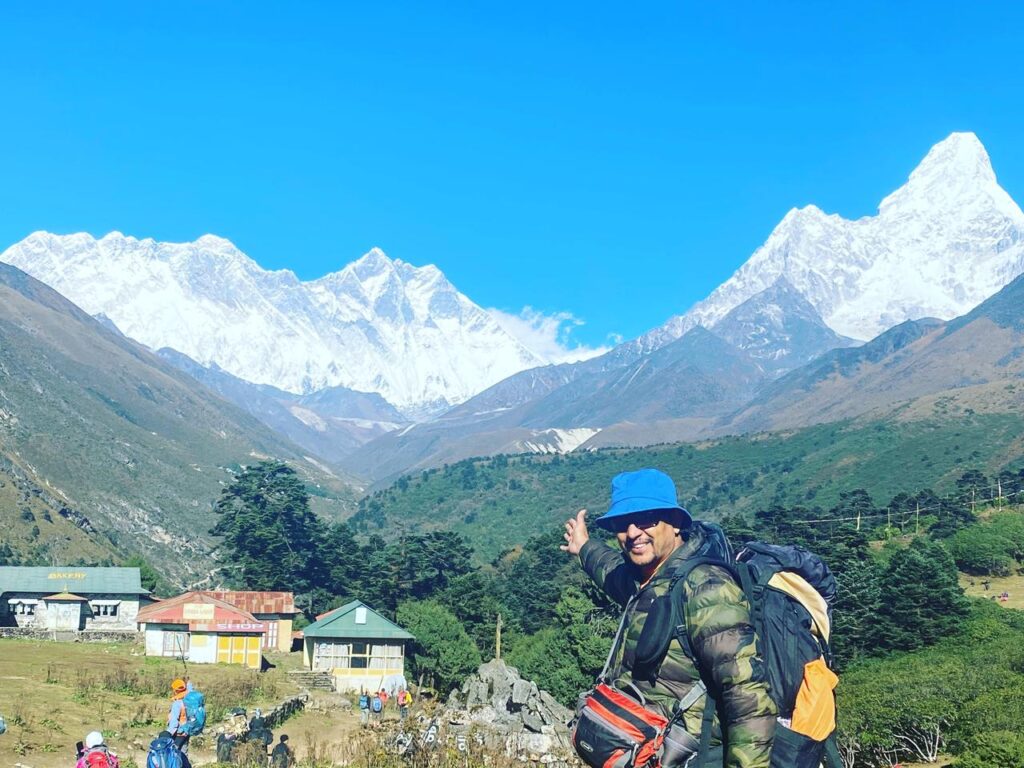
In recent years, a clear shift has emerged in the trekking preferences of British hikers. Instead of traditional autumn walking holidays in the European Alps, more and more UK trekkers are choosing the Himalayas, especially destinations like Nepal. This change is not accidental. It is driven by a combination of weather patterns, value for money, adventure appeal, cultural depth, and changing travel expectations among British travelers.
Autumn has become the defining season for this trend, making the Himalayas the new favorite for serious trekkers from the UK.
Autumn Weather: Himalayas vs Alps
Himalayan Autumn Advantage
Autumn (late September to November) is widely considered the best trekking season in the Himalayas. After the monsoon ends, the air is washed clean, offering:

- Crystal-clear mountain views
- Stable daytime temperatures
- Minimal rainfall
- Excellent visibility of snow-covered peaks
This season allows British trekkers to experience the Himalayas at their most spectacular, with uninterrupted panoramas of Everest, Annapurna, Manaslu, Langtang, and other iconic peaks.
Unpredictable Alpine Autumn
In contrast, autumn in the Alps can be unreliable:
- Early snowfall can close high passes
- The weather changes quickly
- Shorter daylight hours
- Increased risk of storms at elevation
For British trekkers planning trips months in advance, the Himalayas offer greater seasonal reliability, which strongly influences decision-making.
Scale and Drama: Why the Himalayas Feel More Rewarding
The Alps are beautiful, but they are small in comparison to the Himalayas.

British trekkers increasingly seek:
- Bigger landscapes
- Higher elevations
- Longer trekking days
- A stronger sense of achievement
The Himalayas deliver:
- The world’s highest mountains
- Deep valleys and massive glaciers
- Long multi-day trekking routes
- True wilderness experiences
For many UK hikers, trekking in Nepal feels like a once-in-a-lifetime journey, not just another walking holiday.
Value for Money: Himalayas Offer More for the Cost
One major reason British trekkers are swapping the Alps for the Himalayas is the overall value.
What Himalayan Trekking Packages Often Include
- Licensed professional guide
- Porter support
- Accommodation during the trek
- All meals while trekking
- Trekking permits and park fees
- Airport transfers and logistics
Despite long-haul flights, the total cost of a Himalayan trek is often comparable—or even cheaper—than a guided Alpine trek, where:
- Accommodation is expensive
- Meals are costly
- Guides are charged per day
- Many services are optional add-ons
British trekkers increasingly feel they get more experience per pound in the Himalayas.
Cultural Experience: Beyond Just Mountains
Another major factor driving this shift is cultural depth.
In the Himalayas, British trekkers experience:
- Remote mountain villages
- Buddhist monasteries and prayer flags
- Traditional Sherpa, Gurung, and Tamang cultures
- Local food and daily mountain life
The Alps, while charming, feel familiar to many UK travelers. Nepal and the greater Himalayas offer something entirely different, creating a deeper emotional connection to the journey.
Crowd Fatigue in the Alps
Popular Alpine routes have become:
- Busy
- Commercialized
- Overcrowded during peak seasons
British trekkers seeking peace and authenticity increasingly prefer:
- Remote Himalayan valleys
- Less-trafficked trekking routes
- Quieter mountain environments
Even famous Himalayan routes feel more adventurous due to longer distances, slower pace, and natural isolation, which many UK trekkers now prioritize.
British Holiday Patterns Align Perfectly with Himalayan Autumn
Autumn works exceptionally well for British travelers:
- Post-summer work flexibility
- School half-term breaks
- Better flight availability after peak summer travel
- Desire to escape the grey UK weather
Himalayan treks typically require 2–3 weeks, which fits well with autumn leave schedules. Short Alpine breaks no longer feel as rewarding compared to immersive Himalayan journeys.
Improved Safety, Infrastructure & Guided Trekking
Modern Himalayan trekking is safer and more organized than ever:
- Well-marked trekking routes
- Improved communication systems
- Mandatory licensed guides on major routes
- Better teahouse standards
- Emergency evacuation systems
British trekkers now feel confident traveling long-haul because the support system has matured, making the Himalayas accessible even to first-time high-altitude trekkers.
Social Media, Travel Media & Word-of-Mouth Influence
Images of:
- Everest Base Camp
- Annapurna Sanctuary
- Himalayan sunrises
- Snowy passes and monasteries
dominate Instagram, YouTube, and UK adventure blogs. This constant exposure has reshaped perceptions, making Himalayan trekking the ultimate goal for serious hikers.
Many British trekkers now view the Alps as a stepping stone and the Himalayas as the next logical progression.
Mental Wellness & Purposeful Travel
British trekkers increasingly value:
- Digital detox
- Mental clarity
- Meaningful travel
- Physical and emotional challenge
Himalayan trekking offers:
- Slower pace of life
- Deep connection with nature
- Sense of achievement and personal growth
- Distance from modern distractions
This aligns perfectly with current UK travel trends toward purpose-driven adventure.
Popular Himalayan Treks for British Trekkers
Some of the most popular autumn Himalayan treks among UK hikers include:
- Everest Base Camp Trek
- Annapurna Circuit Trek
- Manaslu Circuit Trek
- Langtang Valley Trek
- Annapurna Base Camp Trek
These routes are challenging but achievable, making them ideal for British walkers with good fitness but limited mountaineering experience.
Why the Shift Is Happening Now
British trekkers are swapping the Alps for the Himalayas this autumn because the Himalayas offer:
- Better autumn weather
- Bigger and more dramatic landscapes
- Stronger cultural experiences
- Better value for money
- Longer, more meaningful adventures
- Safer and better-organized trekking
- Deeper personal and mental rewards
For many UK hikers, the Himalayas are no longer an extreme dream; they are the new standard for serious trekking adventures.

 English
  Deutsch
  Français
  Português
  Español
0 Comment