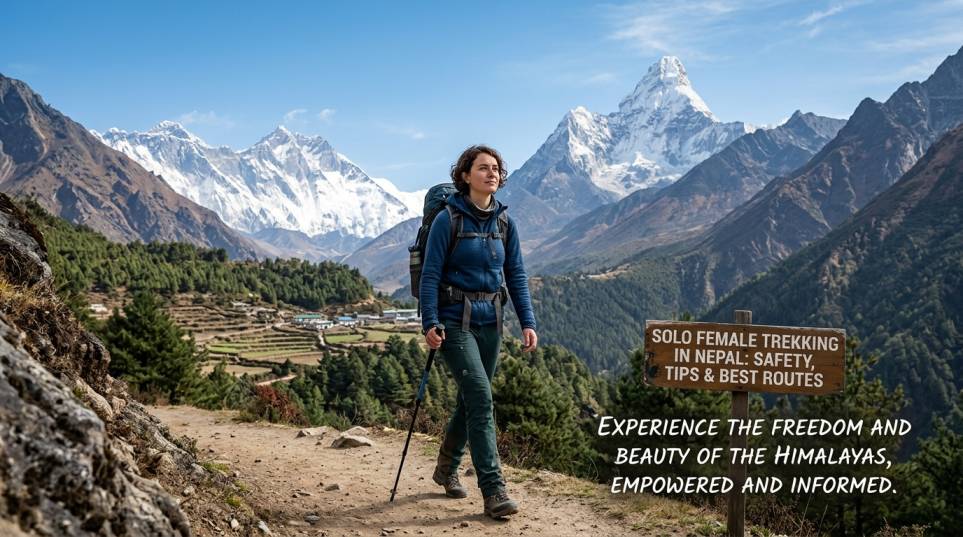
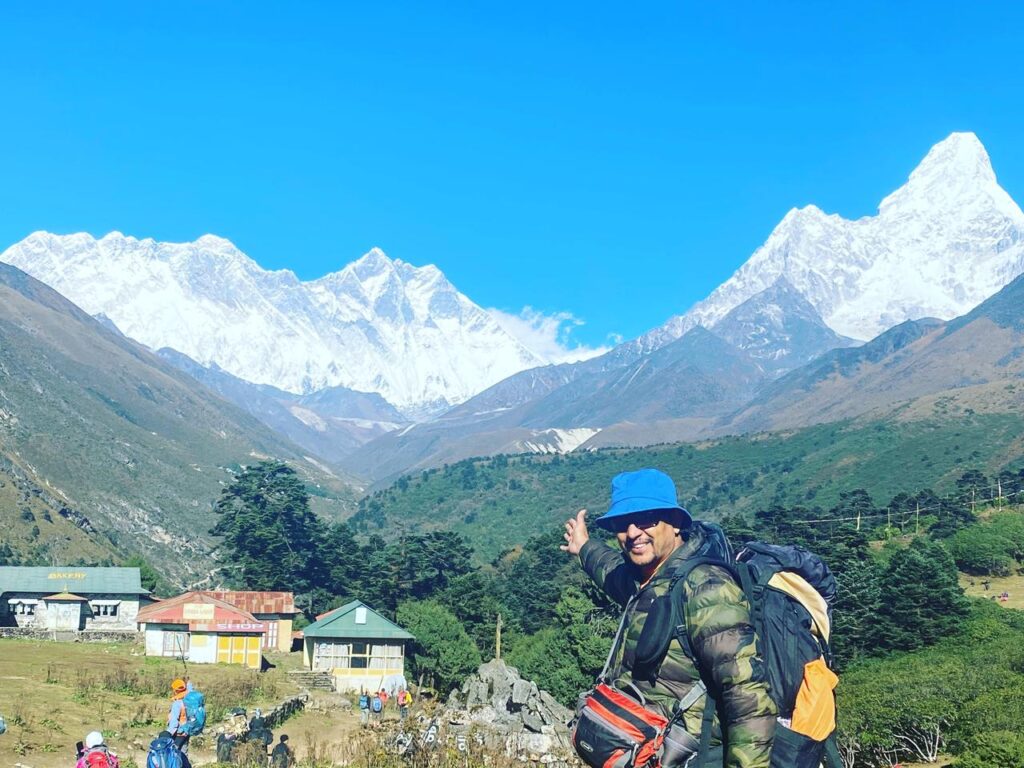
Nepal is one of the safest trekking destinations in the world for solo female travelers. Thousands of women trek alone here every year, and serious incidents are rare. But “safe” does not mean “carefree” — common sense, route selection, and guide choices still matter. This guide covers everything solo female trekkers need to know: safety, route picks, cultural norms, what to wear, and how to handle unwanted attention.

Is Nepal Safe for Solo Female Trekkers?
Yes, statistically very safe. Nepal’s culture places high value on hospitality and respect for guests, and violence against female travelers is rare. The most common issues solo women face are unwanted attention (staring, marriage proposals, persistent guides), not physical danger. The trekking community is tight-knit, teahouses are family-run, and other trekkers look out for each other. With basic precautions, solo female trekking in Nepal is safer than walking alone at night in many Western cities.
That said, the 2023 regulation requiring all trekkers to be accompanied by a licensed guide makes solo trekking technically impossible. Most solo female trekkers hire a porter-guide through a registered agency (the safest option), join a small group trek, or team up with other solo trekkers in Kathmandu. See our trekking company guide for choosing a safe operator.
Best Routes for Solo Female Trekkers
The safest routes for solo women are well-trafficked tea-house treks where other trekkers are always nearby: Annapurna Base Camp, Annapurna Circuit, Everest Base Camp, Langtang Valley, and Poon Hill. These routes have well-established teahouse networks, regular checkpoints, and frequent foot traffic. Avoid remote treks like Kanchenjunga, Makalu Base Camp, and Upper Dolpo as a solo woman — these are safe but isolated, and rescue is harder in emergencies.
| Route | Difficulty | Traffic | Solo female rating | Notes |
|---|---|---|---|---|
| Annapurna Base Camp | Moderate | High | Excellent | Many solo women, well-marked |
| Poon Hill | Easy | Very high | Excellent | Best for first-timers |
| Langtang Valley | Moderate | Medium | Very good | Close to Kathmandu |
| Everest Base Camp | Challenging | High | Very good | Well-developed infrastructure |
| Annapurna Circuit | Challenging | High | Very good | Long but well-trafficked |
| Manaslu Circuit | Challenging | Medium | Good (with guide) | Restricted area, guide required |
| Upper Mustang | Moderate | Low | Good (with guide) | Restricted area, guide required |
How to Hire a Trustworthy Guide as a Solo Woman
Always hire through a registered trekking agency, not through street approaches in Thamel. Ask the agency for a guide with experience leading solo women, and request references from previous female clients. Look for guides who are married with children (statistically less likely to cause issues) and who have completed the Porter Progression Program or similar ethical training. Female guides are available through agencies like 3 Sisters Adventure Trekking and Trek Pathways — these are excellent choices for solo women who prefer female company.
Set clear boundaries on day one. Tell your guide you are not interested in romance, marriage, or anything beyond a professional guide-client relationship. Nepali culture can be flirtatious, and what feels like friendliness to a local may feel like a come-on to a Western woman. If your guide makes you uncomfortable, contact your agency immediately and request a replacement. Reputable agencies will swap guides within 24 hours.
What to Wear: Cultural Sensitivity
Nepal is a conservative country. While trekking attire is generally accepted on the trail, modesty matters in villages and teahouses. Avoid sports bras as outerwear, very short shorts, and tank tops with thin straps. Long trekking pants or capris and a T-shirt are fine on the trail. In teahouses, change into long pants and a loose top. Cover shoulders and knees when visiting monasteries and Hindu temples. A lightweight long-sleeve shirt is versatile for sun protection and cultural sensitivity.
Safety Tips for Solo Female Trekkers
- Share your itinerary: With family at home and your trekking agency. Check in by phone every 2-3 days.
- Carry a personal locator beacon: Garmin inReach Mini (USD 350) for SOS in remote areas.
- Trust your instincts: If a teahouse, guide, or situation feels wrong, leave. Do not be polite at the cost of safety.
- Avoid trekking alone after dark: Arrive at teahouses by 4 PM. Trails are unmarked at night.
- Drink in moderation: Limit alcohol to 1 drink at teahouses. Never accept drinks from strangers.
- Choose dorms wisely: All-female dorms are available in many teahouses. Ask for one.
- Use a money belt: Keep cash, cards, and passport in a money belt under your clothes.
- Carry a whistle: For attracting attention in emergencies.
- Save emergency numbers: Your agency, embassy, and 24/7 insurance line in your phone.
- Connect with other trekkers: Solo women often team up on the trail. Safety in numbers.
Handling Unwanted Attention
Unwanted attention is the most common issue solo women face in Nepal. Staring is cultural and not necessarily threatening — ignore it. Persistent guides or porters from other groups can be more annoying; a firm “no thank you” or “I am waiting for my husband” (true or not) usually works. If a guide from your own agency makes you uncomfortable, contact the agency immediately. Avoid confronting local men directly; cultural dynamics make this counterproductive. Walk away, tell your guide, or call your agency.
Frequently Asked Questions (FAQ)
Is Nepal safe for solo female trekkers?
Yes, statistically very safe. Thousands of women trek solo in Nepal each year without incident. Common issues are unwanted attention (staring, flirtation), not physical danger. Trek with a licensed guide from a registered agency, choose well-trafficked routes, and follow basic safety precautions. Nepal is safer for solo women than most Western cities.
Do I need a guide to trek solo in Nepal?
Since April 2023, the Nepal government requires all foreign trekkers to be accompanied by a licensed guide in national parks and conservation areas. Solo trekking is technically no longer permitted. Hire a porter-guide through a registered agency for the safest solo experience, or join a small group trek.
What should solo female trekkers wear in Nepal?
Modest trekking clothing: long pants or capris, T-shirt with sleeves. Avoid very short shorts, sports bras as outerwear, and tank tops with thin straps. Cover shoulders and knees in villages and teahouses. A long-sleeve shirt is versatile for sun protection and cultural sensitivity. Bring a lightweight long skirt or loose pants for evenings.
Are there female guides in Nepal?
Yes. Agencies like 3 Sisters Adventure Trekking, Empowering Women of Nepal, and Trek Pathways employ female guides specifically for solo female trekkers. Female guides cost the same as male guides (USD 25-40/day) and provide cultural translation and safety that male guides cannot. Highly recommended for solo women.
Trek Pathways employs experienced female guides for solo female trekkers. Browse our Annapurna Base Camp Trek, Everest Base Camp Trek, or Langtang Valley Trek packages for a safe, supported, and culturally rich Himalayan adventure.

 English
  Deutsch
  Français
  Português
  Español
0 Comment