

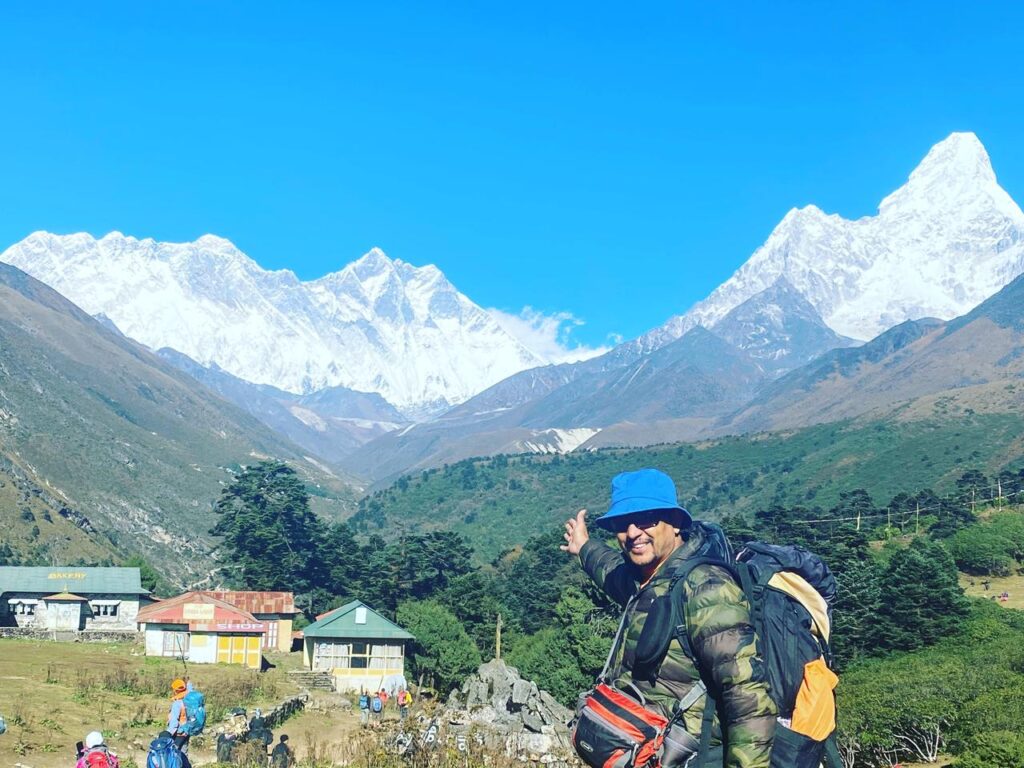
Nepal’s Himalayas receive over 200,000 trekkers each year, and the cumulative impact on trails, villages, and ecosystems is severe. Plastic bottles choke trailside streams, teahouse chimneys blacken the air, and traditional culture erodes under mass tourism. But individual trekkers can reduce their impact dramatically with a few simple choices. This Leave No Trace guide shows you how to trek responsibly in Nepal without sacrificing comfort or experience.

The 7 Leave No Trace Principles for Nepal Trekking
The Leave No Trace Center for Outdoor Ethics defines seven principles that apply directly to Nepal trekking. Adapted for the Himalayan context, they are: plan ahead and prepare, travel and camp on durable surfaces, dispose of waste properly, leave what you find, minimize campfire impact, respect wildlife, and be considerate of other visitors. Each takes on special meaning in Nepal’s fragile high-altitude environment.
- 1. Plan ahead: Choose agencies with environmental policies. Get permits. Pack light.
- 2. Stay on trail: Avoid cutting switchbacks, which causes erosion. Walk single-file in meadows.
- 3. Pack out all trash: Including toilet paper, wrappers, batteries. Teahouses have bins for organic waste only.
- 4. Leave what you find: Do not pick flowers, take fossils, or remove prayer stones.
- 5. Minimize fire impact: Use teahouse stoves, not campfires. Wood is scarce above 3,500 m.
- 6. Respect wildlife: Do not feed animals, including yaks and stray dogs. Watch from a distance.
- 7. Be considerate: Yield to porters and yaks on narrow trails. Keep noise down in villages.
The Plastic Problem: How to Trek Without Single-Use Bottles
The Everest region alone consumes an estimated 100,000 plastic bottles per trekking season. Most end up in landfills, rivers, or trailsides. Sagarmatha National Park now bans single-use plastic bottles above Lukla, but enforcement is patchy. The solution: bring a Sawyer Squeeze or Katadyn BeFree water filter (USD 30-40, 80 g) and treat tap water from teahouses. This eliminates 50+ plastic bottles per trek. See our drinking water guide for the full strategy.
Other plastic reductions: bring a reusable coffee cup (Silipint or Stojo), reusable cutlery (To-GoWare), and reusable food containers for snacks. Say no to plastic bags at teahouse shops. Bring biodegradable soap (Dr. Bronner’s) and use it sparingly, away from water sources. These small changes add up: a plastic-free trekker generates 90% less waste than a typical tourist.
Waste Management on the Trail
Solid human waste is a growing problem on Nepal’s trails, especially above 4,000 m where decomposition is slow. Most teahouses now have basic squat toilets; use them whenever possible. When nature calls on the trail, dig a 15 cm cathole at least 70 m from any water source, and pack out your toilet paper in a zip-lock bag. Above 4,000 m, consider using WAG bags (waste bags) for solid waste, especially in popular areas like Everest Base Camp. Many groups now require this.
- Use teahouse toilets whenever possible: Even if it costs NPR 20-50.
- Dig 15 cm catholes: 70 m from water, 70 m from trail. Cover and disguise.
- Pack out toilet paper: In a zip-lock bag. Never bury or burn at altitude.
- Use WAG bags above 4,500 m: Required by some guide companies on EBC.
- Pack out all feminine hygiene products: In a dedicated opaque bag.
- Do not bury food scraps: Animals dig them up. Carry out all food waste.
- Carry two stuff sacks: One for trash, one for recyclables.
Supporting the Local Economy Responsibly
Tourism is Nepal’s second-largest industry, and where your money goes matters. Choose Nepali-owned trekking agencies over foreign-owned. Buy from local teahouses, not international chains. Hire local guides and porters through registered agencies that pay fair wages and provide insurance. Buy handicrafts directly from artisans, not from Thamel middlemen. For every USD 100 you spend, aim for 80% to stay in Nepal through local wages, services, and goods. See our trekking company guide for vetted operators.
Tip fairly (10-15% of package cost, see our tipping guide). Donate to local schools and clinics through verified organizations, not street beggars. Consider supporting the Himalayan Trust, dZi Foundation, or Porter’s Voice — all vetted NGOs working in Nepal’s trekking regions. Avoid giving candy, pens, or money to village children directly; this distorts the local economy and encourages begging. Donate through schools instead.
Cultural Respect on the Trail
Nepal’s trekking regions are home to Buddhist Sherpas, Tamangs, Gurungs, Magars, and Tibetan refugees, plus Hindu communities at lower altitudes. Each has traditions, dress, food, and taboos. Walk clockwise around stupas and chortens. Use your right hand for eating, greeting, and passing objects (the left hand is considered unclean). Remove shoes before entering homes and monasteries. Avoid pointing the soles of your feet at people or religious objects. Learn basic greetings: namaste (hello), dhanyabad (thank you).
Dress modestly — long pants/skirts and shirts with sleeves, especially in villages and religious sites. Public displays of affection are inappropriate. Ask before photographing people, especially women, monks, and ceremonies. For more on cultural etiquette, see our monasteries guide and our festivals guide.
Carbon-Friendly Trekking Choices
The biggest carbon cost of a Nepal trek is your international flight, which you cannot avoid. But you can reduce on-the-ground carbon: walk instead of taking internal flights where possible (e.g., walk out from EBC via Jiri instead of flying both ways), share jeeps with other trekkers, and avoid helicopter sightseeing flights. Choose teahouses with solar power and LED lighting. Eat local vegetarian food (dal bhat) instead of imported Western dishes. See our full carbon-friendly trekking guide for more strategies.
Frequently Asked Questions (FAQ)
Can I trek in Nepal without producing plastic waste?
Yes. Bring a Sawyer Squeeze or Katadyn BeFree water filter and treat teahouse tap water. Carry reusable cutlery, cup, and food containers. Say no to plastic bags at teahouse shops. A plastic-free trekker eliminates 50+ single-use bottles and dozens of food wrappers per trek. Sagarmatha National Park has banned single-use plastic bottles above Lukla.
How do I dispose of toilet paper on a Nepal trek?
Pack it out in a zip-lock bag. Never bury or burn toilet paper at altitude, as decomposition is slow and animals dig it up. Teahouses have bins for used toilet paper in some bathrooms, but these are often overflowing. The cleanest solution is to carry a dedicated opaque bag for used TP and dispose of it in proper waste bins in Kathmandu.
Should I give money or gifts to village children in Nepal?
No, do not give money, candy, or pens directly to children. This encourages begging, distorts the local economy, and contributes to dental problems. Donate instead through verified schools, clinics, or organizations like the Himalayan Trust or dZi Foundation. If you want to give something directly, ask a teacher or village headman to distribute it.
How can I tell if my trekking agency is environmentally responsible?
Look for: membership in Leave No Trace or similar organizations, plastic-free policies (group water filters, no bottled water), porter welfare policies (proper gear, insurance, fair wages), support for local conservation projects, and clear environmental guidelines in pre-trek briefings. Ask about their environmental policy in writing before booking.
Trek Pathways is committed to responsible trekking: group water filters on every trek, plastic-free policies, porter welfare standards, and Leave No Trace training for all guides. Browse our Manaslu Circuit Trek, Everest Base Camp Trek, or Annapurna Circuit Trek for an eco-friendly Himalayan experience.

 English
  Deutsch
  Français
  Português
  Español
0 Comment