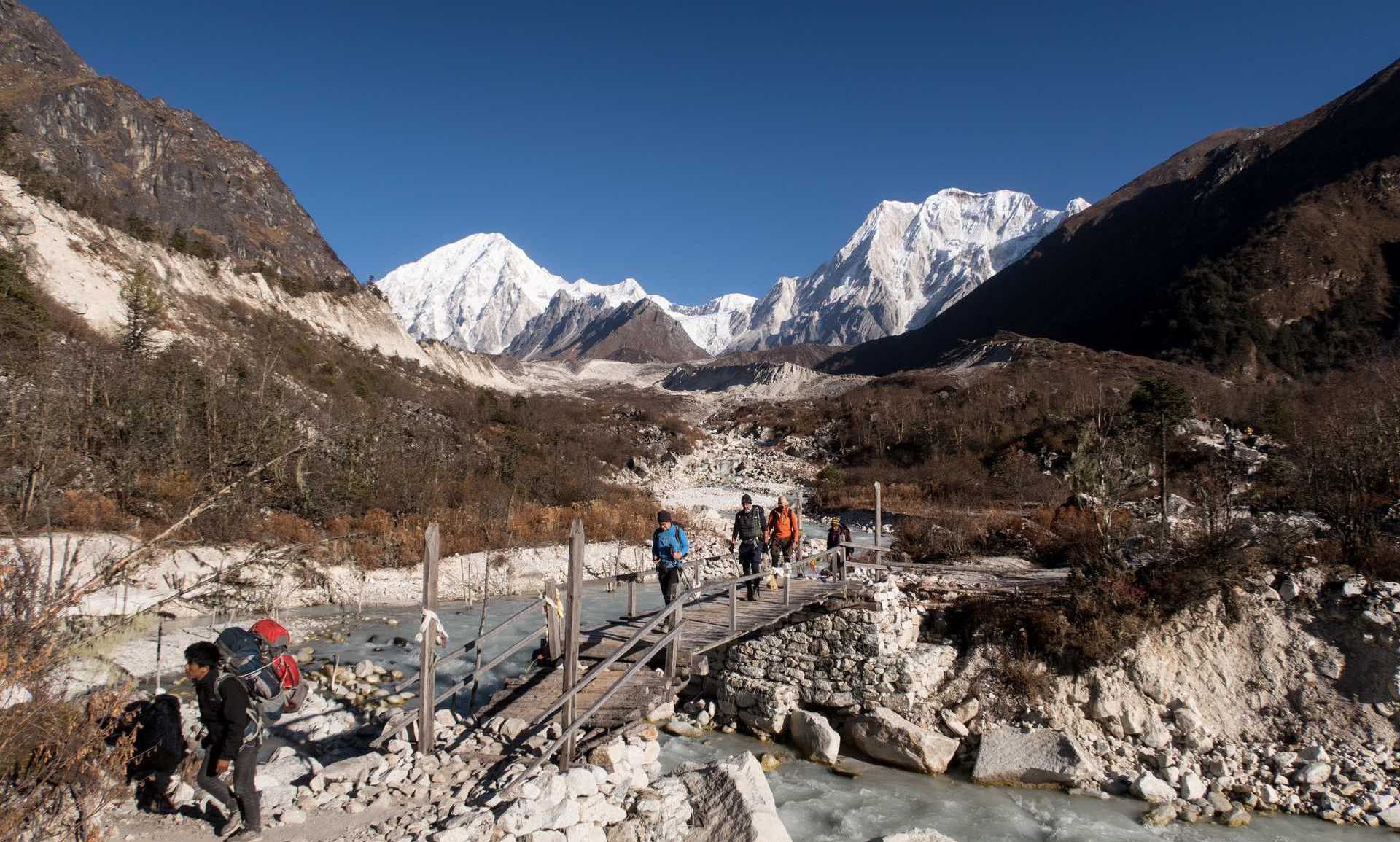
The Manaslu Circuit Trek is a challenging yet breathtaking trek circling Mount Manaslu (8,163 m) — the world’s eighth-highest peak. Nestled in the remote northern part of Gorkha District, Nepal, this trek is a blend of untouched natural beauty, Tibetan-Buddhist culture, and high Himalayan adventure.
Offered professionally by Trek Pathways, this trek guarantees expert guidance, safety, and an authentic Himalayan experience.
Trek Overview
- Trek Duration: 14–18 days
- Starting Point: Soti Khola (710 m)
- Ending Point: Dharapani (1,860 m)
- Highest Point: Larkya La Pass (5,160 m)
- Trek Difficulty: Moderate to Strenuous
- Trekking Season: Spring (March–May), Autumn (September–November)
- Permit Required:
- Manaslu Restricted Area Permit (RAP)
- Manaslu Conservation Area Permit (MCAP)
- Annapurna Conservation Area Permit (ACAP)
Why Trek Manaslu?
- Remote and less crowded than Everest or Annapurna
- Authentic Tibetan culture in villages like Samdo and Lho
- Spectacular high mountain scenery including Himal Chuli, Ngadi Chuli, Ganesh Himal, and Annapurna II
- Challenging Larkya La Pass at 5,160 m, offering a true sense of Himalayan adventure
Trek Route & Key Landmarks
Soti Khola (710 m)
The trek begins from Soti Khola, a serene riverside village surrounded by terraced farmland. The drive from Kathmandu is scenic, offering glimpses of rural Nepalese life.
Machha Khola (900 m)
Trekkers cross suspension bridges and hike through dense forests. Machha Khola provides the first taste of Himalayan river valley trekking.
Jagat (1,340 m)
The entry point to Manaslu Conservation Area, Jagat is a traditional stone village with Tibetan-style architecture and mani walls. This village gives trekkers their first real cultural insight.
Deng (1,860 m)
The terrain shifts from subtropical forests to pine and rhododendron forests. Villagers here practice Tibetan Buddhism, and the river valley views are stunning.
Namrung (2,630 m)
A scenic village surrounded by terraced fields. Offers views of Himal Chuli and Ganesh Himal. Known for chortens (prayer towers) and traditional Tibetan houses.
Lho Village (3,180 m)
Famous for Ribung Monastery, Lho provides majestic sunrise views of Mount Manaslu. Its traditional architecture and Himalayan landscapes make it a photographer’s paradise.
Samagaon (3,530 m)
The cultural heart of the trek. Pungyen Gompa, the 400-year-old monastery, is a must-visit. Acclimatization hikes to Manaslu Base Camp (4,800 m) are popular from here.
Samdo (3,875 m)
A small highland village near the Tibetan border. Formerly a trade hub, Samdo offers panoramic views of Ngadi Chuli, Himal Chuli, and Manaslu.
Dharamsala / Larkya Phedi (4,460 m)
Prepares trekkers for the Larkya La Pass. Offers dramatic views of glaciers and high mountains.
Larkya La Pass (5,160 m)
The highest point of the trek. Offers panoramic Himalayan vistas: Manaslu (8,163 m), Cheo Himal (6,820 m), Himlung Himal (7,126 m), Annapurna II (7,937 m). Crossing requires good acclimatization and physical fitness.
Bimthang (3,720 m)
An alpine valley with glacial fields and yak pastures. One of the most picturesque stops after the pass.
Dharapani (1,860 m)
The trek concludes here. The route then connects with the Annapurna Circuit. From Dharapani, trekkers usually drive to Besisahar and onward to Kathmandu.
Trek Highlights
- Remote trekking with minimal crowding
- Tibetan-Buddhist culture: monasteries, prayer flags, mani walls
- Diverse landscapes: river valleys, dense forests, alpine meadows, glaciers
- Wildlife and flora: langurs, Himalayan birds, rhododendron forests
- Spectacular mountain views: Manaslu, Himal Chuli, Ganesh Himal, Cheo Himal, Annapurna II
Trek Difficulty and Acclimatization
- Difficulty: Moderate to Strenuous
- Challenges: Long trekking days, high-altitude pass, and limited facilities at high villages
- Acclimatization: Essential at Samagaon, Samdo, and Dharamsala. Optional side hikes to Manaslu Base Camp are great for acclimatization.
Permits and Fees
- Manaslu Restricted Area Permit (RAP) – Entry for restricted trekking zone
- Manaslu Conservation Area Permit (MCAP) – Required for trekking within the conservation area
- Annapurna Conservation Area Permit (ACAP) – Required for the final section connecting Dharapani
Trek Logistics
- Transportation: Private vehicle transfers from Kathmandu to Soti Khola and return from Dharapani
- Accommodation:
- Kathmandu: 3–5 star hotels
- Trekking route: Teahouses, lodges, or tented camping in remote sections
- Meals: Full board (Breakfast, Lunch, Dinner) during trek
- Guides & Porters: Licensed, experienced local guides with knowledge of culture, wildlife, and altitude safety
Best Time for Manaslu Circuit Trek
- Spring (March–May): Clear skies, rhododendron bloom
- Autumn (September–November): Dry season, stable weather, spectacular mountain visibility
Tips for Trekkers
- Wear layered clothing and proper trekking boots
- Stay hydrated and eat enough calories
- Trek at a comfortable pace to prevent altitude sickness
- Carry a good sleeping bag for high-altitude nights
- Bring cash for remote villages, as ATMs are limited
Why Trek Pathways?
- Local expertise: Experienced guides familiar with the Manaslu region
- Safety first: Comprehensive acclimatization and emergency plans
- Authentic experience: Cultural immersion in remote Tibetan villages
- Custom itineraries: Flexible trekking plans for groups or solo adventurers
- Sustainable trekking: Minimal environmental impact practices
The Manaslu Circuit Trek is a once-in-a-lifetime Himalayan adventure, combining remote landscapes, high-altitude challenge, and Tibetan-Buddhist cultural immersion. Trek Pathways ensures a professional, safe, and memorable trekking experience that captures the true spirit of Nepal’s Himalayas.

 English
  Deutsch
  Français
  Português
  Español
0 Comment