

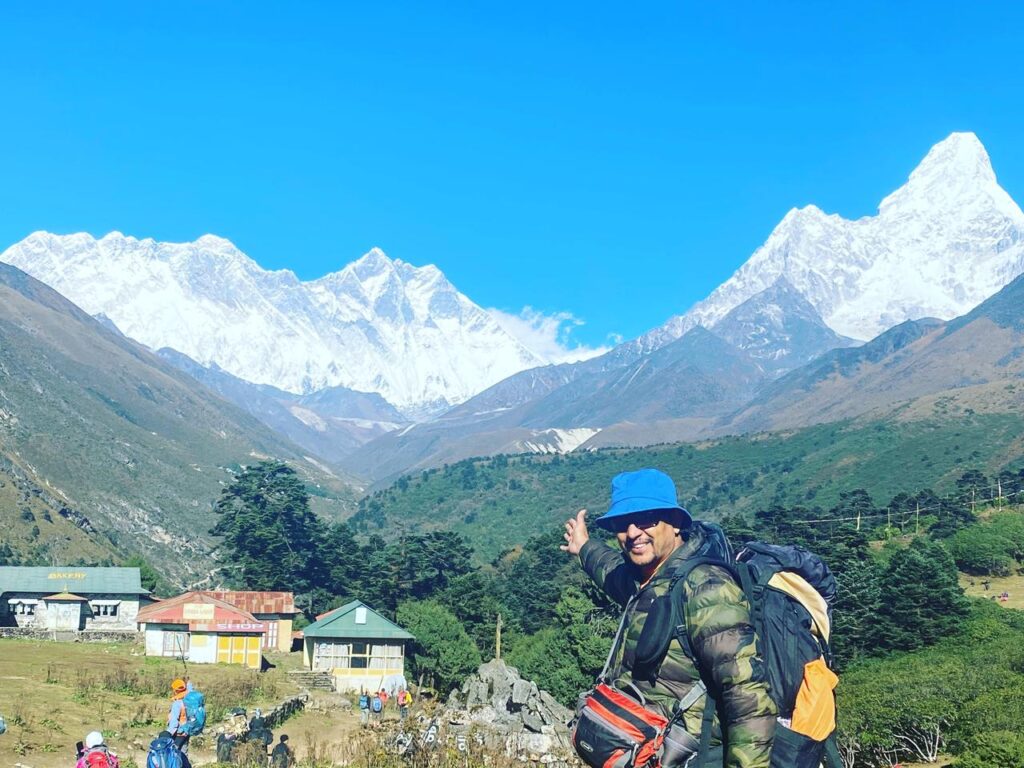
Trekking in the Himalayas, whether in Nepal, India, Bhutan, or Tibet, is a dream for many travelers. But unlike budget or mid-range treks, a premium trek is about comfort, convenience, and personalized service. With stunning scenery comes a higher price tag. So, how much does a premium Himalayan trek actually cost?
Let’s break it down.
What Is a Premium Himalayan Trek?
A premium trek is more than walking through breathtaking landscapes. It typically includes:

Premium Inclusions
- Comfortable accommodations (often best quality lodges/teahouses, boutique lodges, or luxury tents)
- Superior meals (more variety, sometimes buffet or chef-prepared cuisine)
- Experienced, certified guides and high guide-to-trekker ratios
- Porter support (1 porter per 1–2 trekkers)
- Private arrival/departure transfers
- Higher comfort vehicles (4×4, private jeep, domestic flights)
- Enhanced safety gear (satellite phones, oxygen kits)
- Permits, TIMS, national park fees (fully covered)
- 24/7 in-trip support
- We even include:
- Private campsites
- Spa experiences
- Luxury hot showers
- Wi-Fi & charging stations at teahouses
- Cultural experiences
Typical Price Ranges by Region
Below are approximate cost ranges for popular premium treks in the Himalayas. These reflect what most reputable trekking companies charge, and vary based on group size, season, and inclusions.

| Trek | Duration | Premium Cost (USD) |
|---|---|---|
| Everest Base Camp Premium | 12–17 days | $2,000 – $4,000+ |
| Annapurna Circuit Luxury | 15–20 days | $2,200 – $4,500+ |
| Manaslu Circuit Premium | 14–18 days | $2,400 – $5,000+ |
| Upper Mustang Cultural Luxury | 12–15 days | $3,000 – $6,000+ |
| Gokyo Lakes & EBC Premium | 15–19 days | $2,800 – $5,500+ |
Note: Prices can be higher in peak seasons (spring & autumn) and lower in off-peak seasons.
What Drives the Costs?
Understanding what you’re paying for helps you choose the right level of comfort.
Accommodation Quality
- Budget teahouses offer simple rooms. Premium trips use:
- Private rooms
- Clean linen & blankets
- Heated lounges
- Higher altitude lodges with better amenities
Food & Dining
- Premium meals include:
- Varied menus (Western + local)
- Hot breakfasts & multi-course dinners
- Fresh ingredients (harder to source in remote regions)
Guides & Porters
- More experienced guides cost more, but ensure:
- Better safety
- Cultural insight
- Personalized attention
- Higher staff-to-guest ratio
Transfers & Logistics
- You’ll usually enjoy:
- Private vehicles
- Domestic flight costs included (e.g., Kathmandu–Lukla)
- Emergency support
Safety & Communication
- Many premium treks include:
- Satellite communication
- Oxygen support
- First-aid kits
- Extra guides in remote areas
A Typical Cost Breakdown
Here’s roughly how a $3,000 premium trek budget might split:
| Category | Percentage |
|---|---|
| Accommodation | 20–30% |
| Food & Beverages | 15–25% |
| Guide & Porter Wages | 20–30% |
| Transportation/Flights | 10–20% |
| Permits & Fees | 5–10% |
| Administrative, Insurance | 5–10% |
Optional Extras (That Add Cost)
You can choose add-ons that increase the price and comfort:
- Helicopter flights (arrival or rescue)
- Private chef services
- Luxury camping gear
- Spa & massage services
- Extra acclimatization hikes
- Customized itineraries
- Better insurance coverage
These can add $300–$1,000+, depending on choice.
Best Seasons (And Price Impact)
- Peak trekking seasons bring:
- Superb weather
- Higher prices
- Better availability
- High Season:
- Autumn (Sept–Nov)
- Spring (Mar–May)
Off-peak (monsoon/winter) may cost less, but has weather challenges.
Savings Tips Without Compromising Quality
You can still enjoy premium experiences with some strategies:
Travel in shoulder seasons
Book early (get better prices & choices)
Join group departures
Opt-in for shared jeeps over private
Book with us.
A premium Himalayan trek typically ranges between $2,000 and $7,000+ per person, depending on itinerary, season, and services. What you’re paying for isn’t just a walk, it’s safety, comfort, culture, logistics, and memories that last a lifetime.

 English
  Deutsch
  Français
  Português
  Español
0 Comment