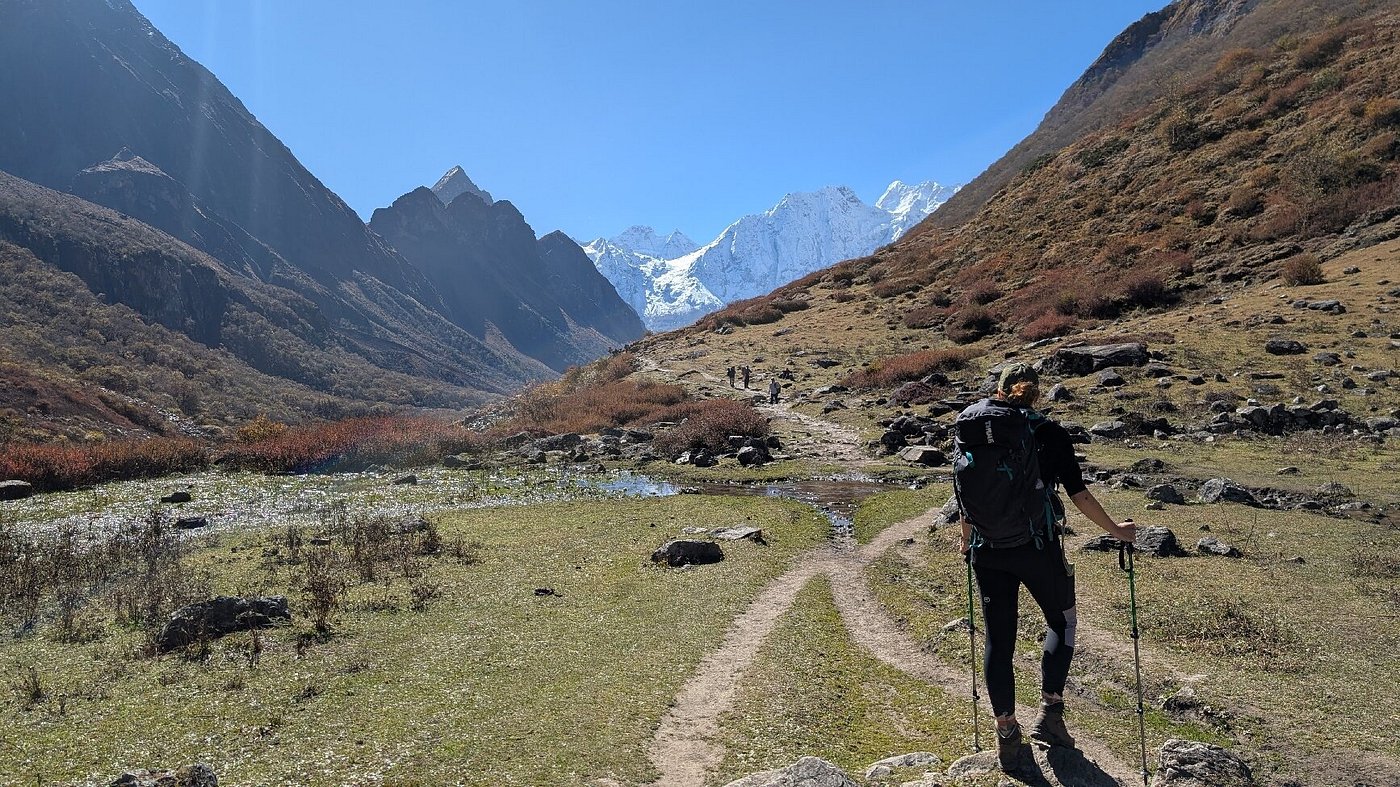
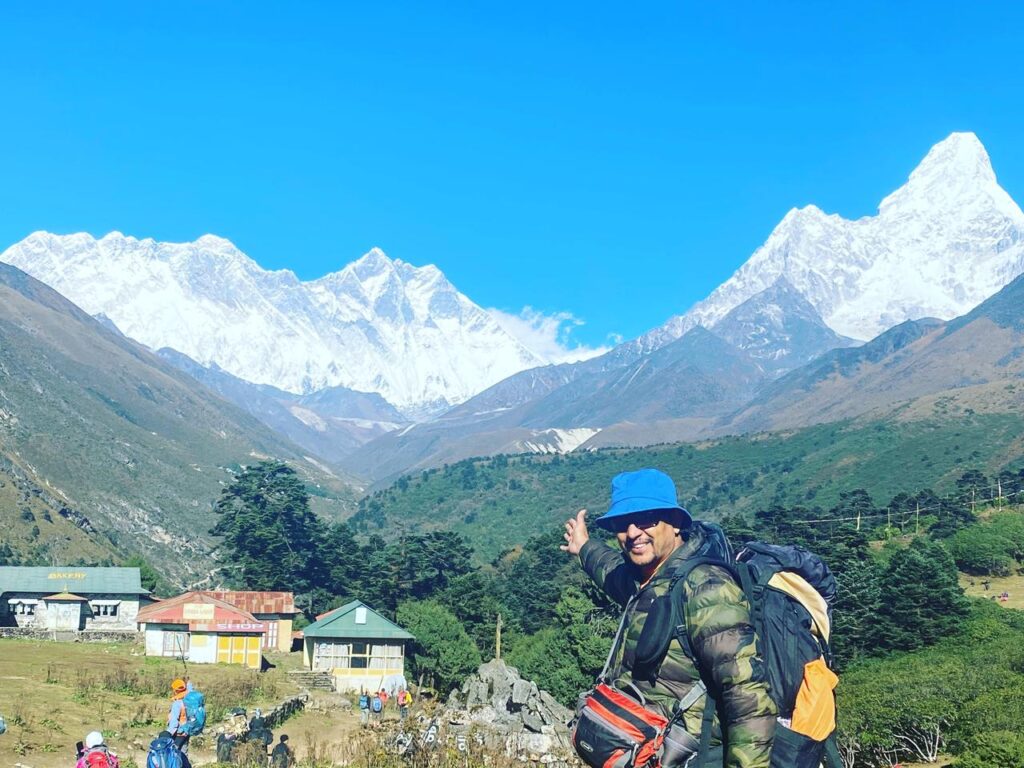
Nepal, the land of the Himalayas, is a dream destination for travelers seeking adventure, culture, and breathtaking natural beauty. From towering peaks like Mount Everest to serene lakes, ancient temples, and vibrant local traditions, Nepal offers a unique experience for every type of traveler. If you are a first-time visitor, this guide will help you plan your trip efficiently and make the most of your journey.
Why Visit Nepal?
Nepal is a small country with a big personality. Here’s why you should consider it for your next adventure:
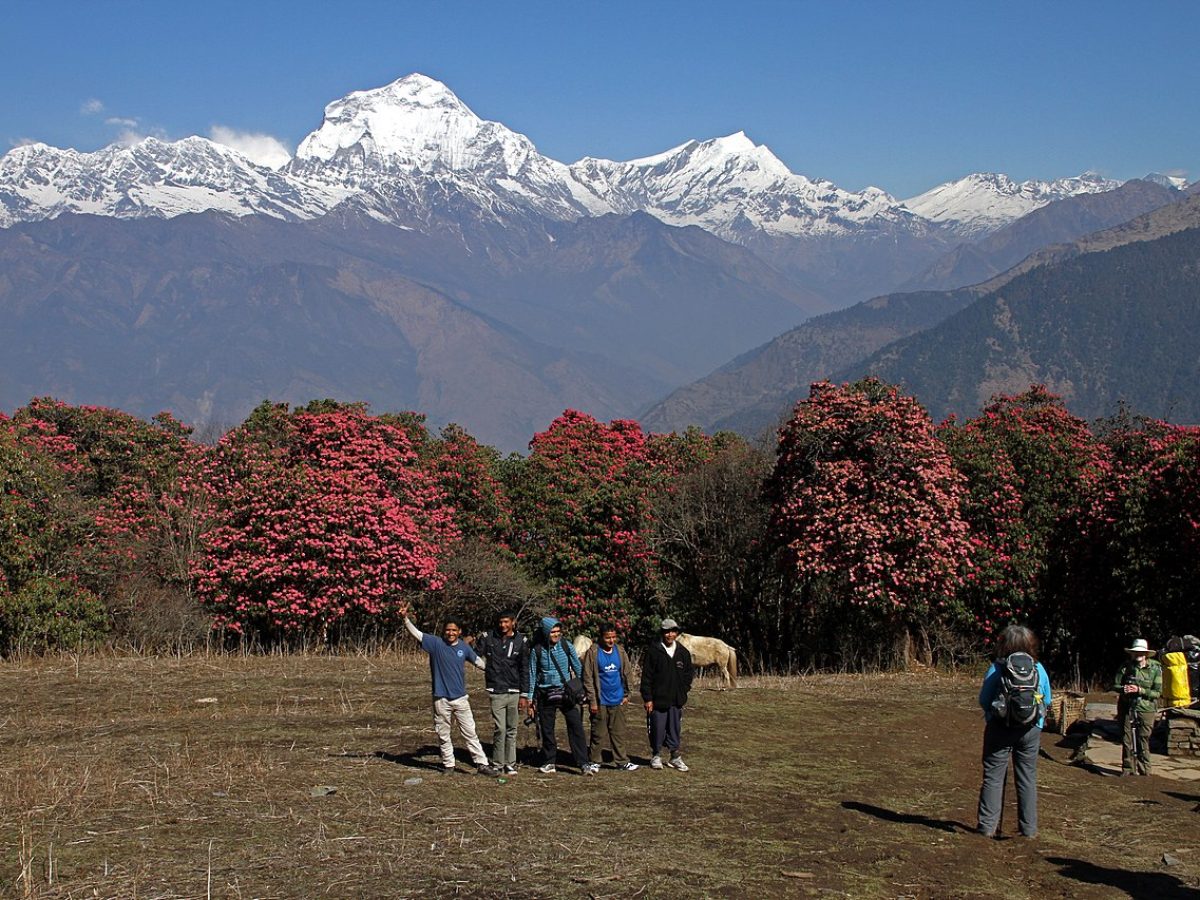
- Adventure Paradise: Ideal for trekking in Nepal, mountaineering, white-water rafting, and paragliding.
- Cultural Richness: Explore Kathmandu Valley temples, Bhaktapur Durbar Square, and ancient monasteries.
- Natural Beauty: From Phewa Lake in Pokhara to Chitwan National Park wildlife safaris, Nepal’s scenery is unforgettable.
- Budget-Friendly: Affordable accommodation, food, and transportation make it ideal for backpackers in Nepal.
Top Things to Do in Nepal for Beginners
If it’s your first time in Nepal, here are the must-do activities:
Trekking in Nepal:
- Ghorepani Poon Hill Trek – Famous for sunrise views of the Annapurna range.
- Everest Base Camp Trek – The ultimate adventure for Himalayan enthusiasts.
- Langtang Valley Trek – Less crowded, great for beginners.
Visit Kathmandu Valley:
- Pashupatinath Temple – Iconic Hindu temple.
- Boudhanath Stupa – Spiritual center for Buddhists.
- Bhaktapur Durbar Square – UNESCO World Heritage Site.
Explore Pokhara:
- Phewa Lake boating and sunset views.
- Sarangkot Sunrise – Stunning Himalayan panorama.
- Adventure Sports: Paragliding, zip-lining, and trekking.
Wildlife Safari in Chitwan National Park:
- Spot tigers, rhinos, and elephants.
- Canoe rides, jungle walks, and cultural Tharu village visits.
Cultural Experiences:
- Tamang Culture Trek – Learn local traditions and lifestyles.
- Attend local festivals like Dashain, Tihar, and Holi.
Best Time to Visit Nepal
Timing your trip can make a huge difference:
- Autumn (September–November): Clear skies, ideal for trekking and sightseeing.
- Spring (March–May): Blooming rhododendrons and mild weather.
- Winter (December–February): Best for low-altitude trekking; Himalayas are visible, but higher altitudes are cold.
- Monsoon (June–August): Less crowded, lush landscapes, but trekking can be risky due to rain.
Nepal Travel Essentials for Beginners
Here’s what you need to know before you go:
- Visa: Most nationalities can get a Nepal tourist visa on arrival at Tribhuvan International Airport, Kathmandu.
- Currency: Nepalese Rupee (NPR) – ATMs are widely available in major cities.
- Language: Nepali is the official language; English is widely spoken in tourist areas.
- Transport: Private taxis, buses, and domestic flights connect key destinations.
Accommodation Options in Nepal
Nepal offers a range of stays for all budgets:
- Budget: Guesthouses and hostels in Kathmandu, Pokhara, and trekking routes.
- Mid-range: 3–4 star hotels and boutique lodges.
- Luxury: 5-star hotels, resorts, and wellness retreats.
Essential Packing for Nepal Trips
When exploring Nepal, pack smart:
- Clothing: Layered clothing for trekking and sightseeing.
- Footwear: Comfortable trekking shoes or hiking boots.
- Accessories: Sunglasses, sunblock, and a hat.
- Health: Basic first aid kit, water purification tablets, and prescription medicines.
- Documents: Passport, visa, travel insurance, and trekking permits if needed.
Nepal Trekking for Beginners
For those new to trekking, start with easy to moderate treks:
- Ghorepani Poon Hill Trek (4–5 days) – Best for first-time trekkers.
- Nagarkot to Dhulikhel Trek (2–3 days) – Short and scenic.
- Langtang Valley Trek (7–10 days) – Immersive Himalayan experience.
Tips for trekking beginners:
- Stay hydrated and take acclimatization seriously.
- Start with short treks before attempting higher altitudes.
- Hire a licensed guide or porter for safety and support.
Useful Tips for First-Time Travelers
- Respect local customs and traditions.
- Bargaining is common in markets; always be polite.
- Keep cash handy, especially in remote trekking areas.
- Internet is widely available in cities, but limited in rural areas.
- Travel insurance is highly recommended for adventure activities.
FAQs – Beginner Travelers in Nepal
Q1: Do I need a visa to visit Nepal?
Yes, most travelers can get a tourist visa on arrival at Tribhuvan International Airport.
Q2: What is the best time for trekking in Nepal?
Autumn (Sept–Nov) and Spring (Mar–May) are ideal for trekking.
Q3: Is Nepal safe for solo travelers?
Yes, Nepal is generally safe, but exercise standard travel precautions.
Q4: Can I do short treks without experience?
Absolutely! Treks like Ghorepani Poon Hill and Nagarkot-Dhulikhel are beginner-friendly.
Q5: How much does it cost to travel in Nepal?
Budget travelers can manage with $20–$40/day; mid-range $50–$100/day; luxury $150+ per day.
Conclusion
Nepal is a land of contrasts – serene landscapes, adventurous treks, rich culture, and warm hospitality. Whether you are a first-time traveler in Nepal, an adventure seeker, or a cultural explorer, Nepal offers experiences you’ll never forget. With proper planning, respect for local customs, and an adventurous spirit, your trip to Nepal will be both safe and magical.

 English
  Deutsch
  Français
  Português
  Español
0 Comment